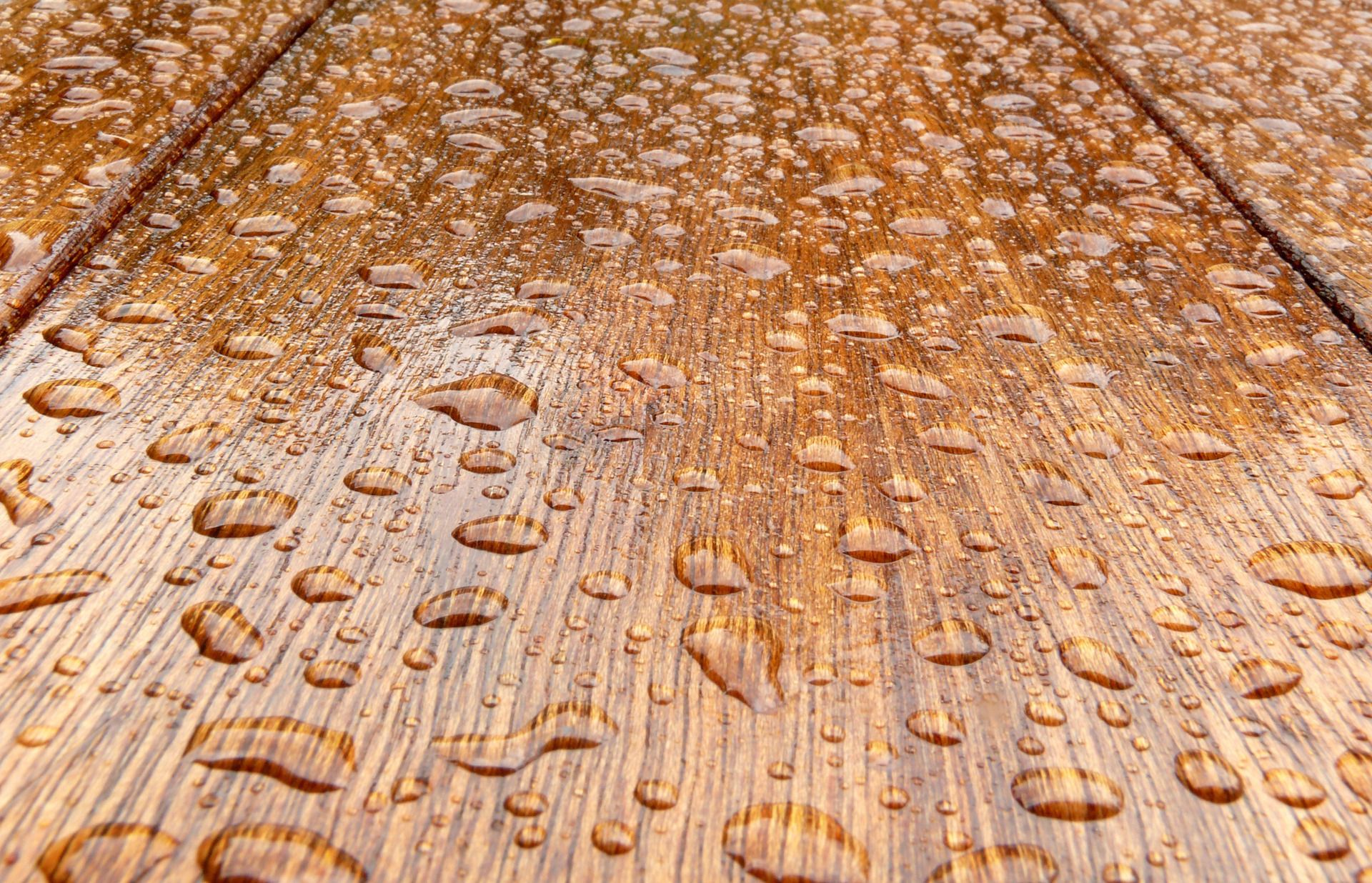
Wood, in its essence, is a timeless material that evokes feelings of warmth, authenticity, and closeness to nature. Whether you’re eyeing a cozy wooden deck, a rustic wooden furniture piece, or a traditional wooden floor, one thing is for sure: to retain its beauty and increase its lifespan, it needs protection.
Enter the realm of wood sealers – the unsung heroes of the wood world. But what is wood sealer, why is it so important, and how do you choose the right one? Dive into our comprehensive guide to get all the insights.
Understanding the Role of Wood Sealer
Protection Against Elements
The primary function of wood sealers is to protect wood from external elements. This includes moisture, UV rays, and even insects. Without a good sealer, your wood could warp, crack, or deteriorate over time.
Enhanced Beauty
Apart from protection, sealers enhance the natural beauty of wood, providing a lustrous finish that can range from glossy to matte, depending on your preference.
The Different Types of Wood Sealers
Water-Based Sealers
These are eco-friendly and dry quickly. They offer clear finishes that do not yellow over time, making them ideal for both indoor and outdoor applications.
Oil-Based Sealers
Oil-based sealers penetrate deeper into the wood, offering robust protection, especially against moisture. They often give a richer finish but might yellow over time.
Varnishes
While primarily used as a topcoat over stains, varnishes contain sealant properties. They offer a glossy finish and are highly resistant to UV rays.
Polyurethanes
Perfect for high-traffic areas, polyurethanes are durable and come in both water-based and oil-based variants. They provide a hard, protective film on the wood.
How to Choose the Right Sealer for Your Project
Consider the Wood Type
Hardwoods and softwoods can react differently to sealers. For instance, dense woods like oak or maple might not absorb oil-based sealers as effectively as softer woods like cedar or pine.
Indoor vs. Outdoor
For outdoor projects, opt for sealers with UV protection and high resistance to moisture. Indoor projects may not require as robust protection but prioritize appearance and finish.
Finish Preference
Do you want a matte look or a glossy sheen? Your preference will guide you to the right type of sealer.
Drying Time
Water-based sealers dry faster, which can be a benefit if you’re on a tight schedule. Oil-based sealers take longer but might offer deeper protection.
Application Tips for a Perfect Finish
Preparation is Key
Always sand the wood surface before applying the sealer. This ensures a smooth finish and better adhesion.
Thin Coats
It’s always better to apply two thin coats than one thick one. This minimizes drips and ensures even coverage.
Follow Instructions
Each sealer type has specific application guidelines. Follow them to the letter to ensure durability and a great finish.
Regular Maintenance
Even with the best sealer, maintenance is crucial. Clean your wood surfaces regularly and reapply the sealer when you notice wear or dullness.
FAQs About Wood Sealers
How often should I reapply wood sealer?
The frequency of reapplication varies depending on the sealer type, wood’s exposure to elements, and the traffic it endures. Generally, outdoor wood surfaces should be resealed every 1-2 years, while indoor ones can go 3-5 years or even longer.
Can I paint or stain over sealed wood?
Yes, but the preparation is crucial. If you plan to paint or stain sealed wood, you’ll first need to sand off the sealer layer. This will help the paint or stain adhere effectively to the wood surface.
Is wood sealer safe for kitchen countertops?
When choosing a sealer for kitchen countertops, ensure it’s labeled food-safe or non-toxic once cured. Water-based polyurethanes or natural oil sealers like mineral oil can be suitable options.
Does sealing wood make it waterproof?
While wood sealers provide excellent moisture resistance, they don’t render the wood entirely waterproof. They reduce water absorption, which in turn prevents warping, swelling, and rot.
The Environmental Aspect of Wood Sealers
Modern consumers are not just looking for effective products; they’re seeking eco-friendly options too. As the demand for sustainable choices grows, many manufacturers are developing low-VOC (Volatile Organic Compounds) and eco-friendly sealers.
Water-based sealers, for instance, typically have lower VOC levels than their oil-based counterparts. They also produce less odor during application, which can be a bonus for indoor projects.
If being eco-conscious is essential for you, always check the sealer’s label for VOC content and any certifications denoting its environmental friendliness.
The Bottom Line
In the world of wood preservation, many often conflate the terms ‘waterproofing wood stain’ and ‘best wood sealer’. While wood stains emphasize and enrich the wood grain, bringing out its inherent beauty, wood sealers, especially clear wood sealers, penetrate deep into the wood fibers offering robust protection.
Among the best wood sealers, tung oil stands out for its natural, non-toxic properties, making it a preferred choice for outdoor furniture. On the other hand, for those looking to add a hint of color while maintaining the visibility of the wood’s grain, semi-transparent deck stains are the way to go.
It’s crucial, however, to note that while many wood sealers are available in the market, not all are created equal. The best wood sealers offer maximum protection for outdoor surfaces without emitting toxic fumes. So, as you embark on your next wood project, remember to consider both the aesthetic and protective qualities you desire to ensure longevity and showcase the natural splendor of your chosen material.