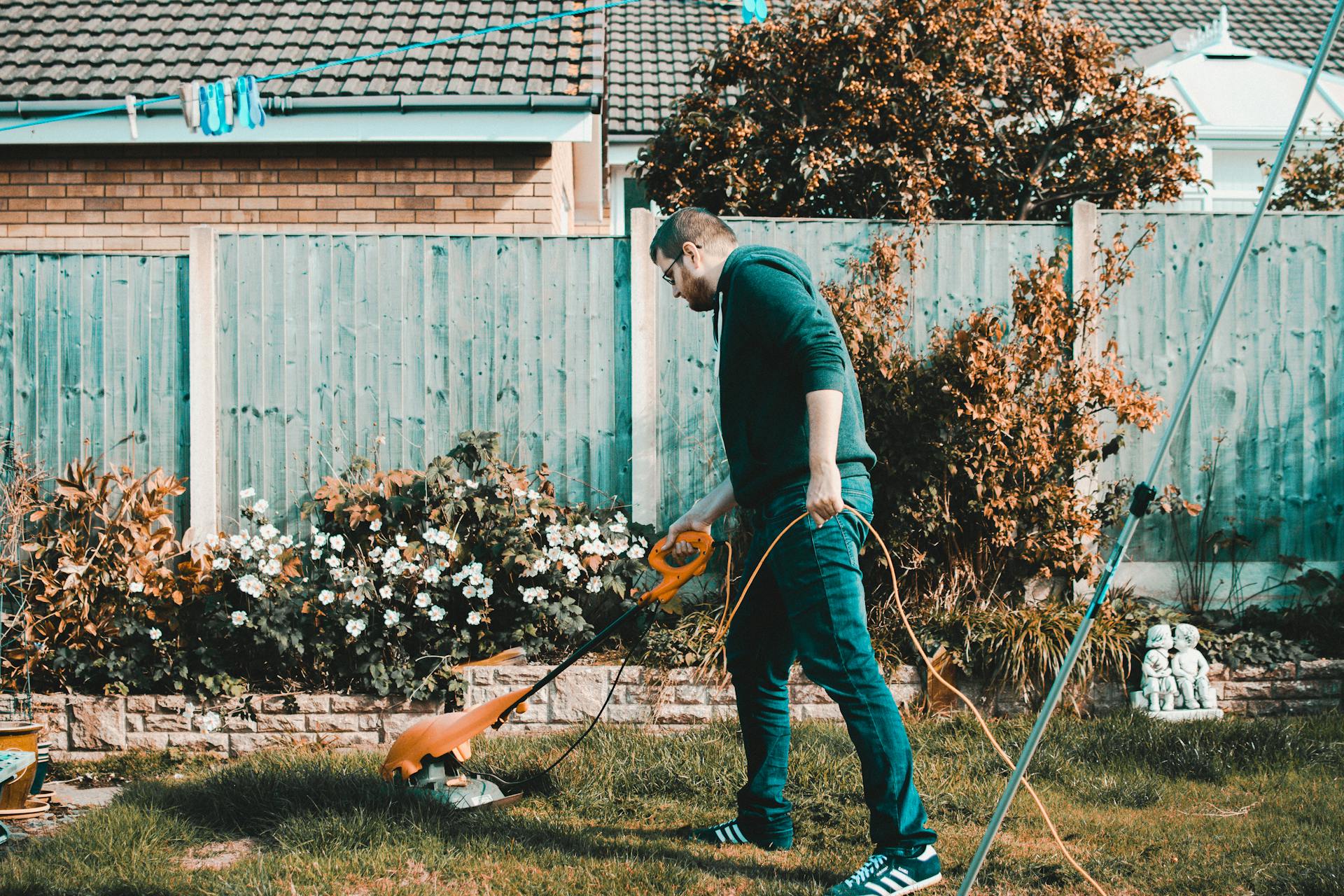
Landscaping can turn your outdoor space into an extension of your living area. A well-planned yard design gives you a peaceful home retreat. It lets you create a spectacular entertaining area.
But there are a few things to consider about landscaping before you begin digging.
Understanding Your Space
Before you begin, you’ll want to take a hard look at your space to understand the right steps to move forward. That way, you’ll make wise choices and save money in the long run.
Assess Your Yard
First, take out your tape measure to get your outdoor area’s accurate size and shape. It helps to make a drawing, but don’t worry, you don’t need artistic skills. Note the size, then take a few minutes to identify existing features.
- Existing trees, shrubs, and grassy areas
- Slopes, hills, and drainage lines
- Structures, like a tool shed or small patio for garbage cans
- Shady or sunny areas
- Garden beds
Soil Type and Quality
Next, consider testing your soil’s pH and composition. This will help you understand its health and the best-suited plants or grass.
Here’s a simple guide on how to test pH:
- Buy a Soil pH Test Kit
- Available at garden centers or online.
- Collect Soil Samples
- Use a clean trowel to collect soil from different areas of your yard.
- Dig down about 4-6 inches to get a sample.
- Mix the samples in a clean container.
- Remove any debris like rocks or roots.
- Let the soil dry if it’s wet.
- Perform the Test
- Follow the test kit instructions to mix soil with water and testing solution.
- Compare the color change to the provided pH scale.
- Interpret Results
- pH scales range between 0 and 14 ( where 7 is neutral, lower is acidic, and higher is alkaline)
- Many plants prefer a pH between 6 and 7.5.
Next, test the soil composition by filling a jar about one-third full with soil. Then add water until it’s almost full. Next, add a teaspoon of dish soap to help separate particles. Finally, shake the jar before letting it sit undisturbed for 24 hours.
Now, you’re ready to observe the layers.
- Bottom layer is sand (heaviest and settles first)
- Middle layer: silt
- Top layer: clay (lightest and settles last)
Finally, measure each layer’s thickness. Then, calculate the clay, silt, and sand percentages. Understanding the pH and composition of your soil makes it easier to choose the right plants and amendments.
Consider Your Climate
The next step in understanding your garden space is considering your climate.
Hot dry summers mean you’ll want to choose drought-resistant plants. An irrigation system and thick layers of mulch help reduce watering costs and save you time.
But, cold, snowy winters mean selecting plants that can also withstand temperature extremes. Think about planting Russian Sage or Yarrow. Both thrive in hot and dry conditions but are tolerant of cold winters, too.
Native Plants
Since they’ll need less water and maintenance, native plants help save you time and money. One choice is Idaho Blue-eyed Grass with slender green stems that grow in clumps. Its violet-blue star-shaped flowers attract butterflies in late spring and early summer.
Design and Aesthetics
Now that you have a good idea of your yard’s details, composition, and climate, let’s look at design.
Planning Your Layout
Creating a cohesive design makes all your outdoor spaces work together harmoniously. It also enhances their functions, making your yard easier to maintain and enjoy.
- Create zones for different activities, like gardening, playing, and entertaining.
- Use focal points, like fountains, swings, or colorful plants, to add interest.
- Balance hard- and soft-scapes. Soften pathways, patios, or retaining walls with plants and grassy areas.
Budget and Cost Management
One thing to consider when landscaping your home is money. How much can you spend upfront, throughout the project, and on maintenance?
Setting a Budget
When determining your budget, think about extra materials. Consider costs for hardscapes, plant and sod, mulch, irrigation systems, and labor. Whether you hire a professional or do the labor yourself, a price is involved.
Cost-Effective Tips
- Needs vs. Wants: Focus on the main elements. Foundational plants and necessary hardscapes come before adding optional features.
- Consider DIY Options: Can you plant smaller shrubs or lay mulch to reduce labor costs?
- Time of Year: Are there seasonal discounts and sales to help stretch your budget?
Hiring a Professional
Knowing when to hire a professional landscaper makes all the difference to your outdoor success. For example, a pretty complex landscape transformation project may require expertise normal people just don’t have. These are things like designing and installing advanced irrigation systems and retaining walls.
Hiring a professional means you don’t have to watch 50 YouTube videos to learn how to build a retaining wall. So, you save time, and that saves you money.
Beyond the big projects, professional landscaping services have design and plant selection experts. They’ll tell you about native plants that are perfect for your outdoor space. They’ll also maximize how your grounds function to create pocket areas you’ll love spending time in.
Finally, professionals provide ongoing maintenance plans. They’ll mow, feed, and trim your lawn, flowers, and shrubs. So, your property stays healthy and thrives despite a summer drought or winter blizzard.
Choosing the Right Landscaper
Here are three questions to ask potential landscapers:
- Can you provide examples of similar lawn projects you’ve completed?
- Gauge their experience and get an idea of how your project will look when finished.
- How do you handle unexpected changes or circumstances during a project?
- It lets you understand their flexibility and problem-solving skills.
- What is the project timeline, and how do you meet all deadlines?
- Helps clarify expectations around project duration and managing agreed-upon timelines.
Landscaping your home means considering climate, soil conditions, and plant selection. You can create a comfortable and functional landscape by seeking professional guidance.
Follow these guidelines for unique outdoor spaces. You’ll enhance your property’s value and give you enjoyment throughout the year. So, do a little homework and then start digging.