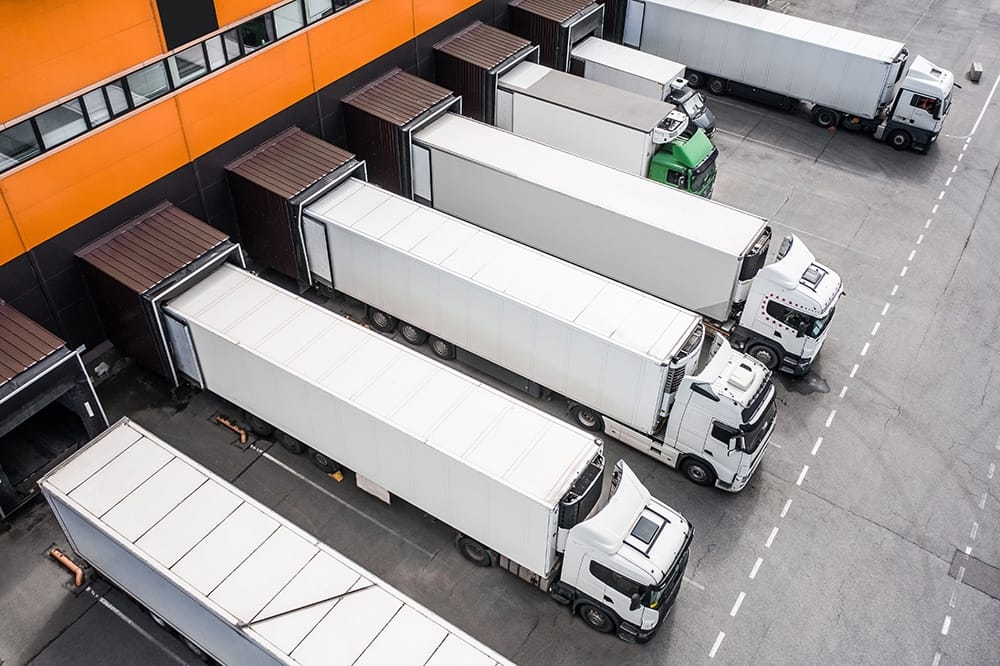
Logistics real estate plays a crucial role in the global supply chain, facilitating the efficient movement of goods. The sector has undergone substantial growth and change in recent years, driven by the upsurge in e-commerce, heightened demands for speedy and reliable deliveries, and the necessity for modern, technologically advanced distribution centers.
However, the persistent supply and demand gap continues to characterize most regions’ logistics real estate market. As we peer into this challenge, consider Upper Route Planner, a tool revolutionizing logistics management. But if some businesses can’t afford to acquire such a tool, it’s best to consider comparing Upper Route Planner with its alternatives, as they will have other options for saving money.
With that, let’s look at the intricacies of the logistics real estate sector, from the dominance of e-commerce to the imperative of supply chain resilience and the integration of cutting-edge technology.
The Current Landscape
The logistics real estate sector has experienced robust growth, with the COVID-19 pandemic accelerating trends such as e-commerce and remote work. This increased demand for logistics facilities as companies scrambled to adapt to evolving market dynamics.
As the industry report suggests, the demand for logistics real estate remains robust, with many markets grappling with historically low vacancy rates. These tight market conditions have given rise to several notable trends and challenges that merit discussion.
E-commerce Dominance
E-commerce has revolutionized logistics, with consumers expecting faster and more dependable delivery options. To meet these demands, retailers and logistics providers have had to restructure their operations, leading to an increased need for logistics real estate, especially in urban and last-mile locations. Companies like Amazon have been at the forefront of this trend, investing heavily in fulfillment centers and distribution hubs.
Supply Chain Resilience
The disruptions caused by the pandemic underscored the critical importance of resilient supply chains. Companies are revisiting their supply chain strategies to mitigate risks and improve their responsiveness to unforeseen challenges. This has fueled the demand for flexible and strategically located logistics facilities that ensure the uninterrupted flow of goods.
An expert CRE realtor helps businesses find optimal locations for distribution centers and warehouses, enhancing supply chain efficiency. They provide insights into property availability, local regulations, and market conditions, enabling informed decisions that strengthen supply chain resilience. Partnering with a CRE expert ensures businesses secure the right facilities to manage disruptions and future uncertainties.
Technological Advancements
The logistics industry is undergoing a technological revolution, with innovations such as automation, robotics, and data analytics driving efficiency gains. Modern logistics real estate must be equipped to accommodate these technologies, leading to the construction of state-of-the-art facilities designed to support advanced automation systems.
Sustainability and ESG Initiatives
Environmental, social, and governance (ESG) considerations are gaining prominence for investors and occupiers in the logistics real estate. Sustainability initiatives, including energy-efficient building designs and integrating renewable energy sources, are gaining traction as companies strive to reduce their environmental footprint and align with ESG objectives.
Outlook for Logistics Real Estate
Considering the prevailing market dynamics, what does the future hold for logistics real estate? Here are key considerations:
Continued Growth
The expansion of e-commerce and the enduring need for supply chain resilience is expected to sustain the demand for logistics real estate. Companies will continue investing in distribution centers and fulfillment facilities to meet evolving consumer expectations.
Diversification of Locations
Occupiers may increasingly explore non-traditional locations for logistics facilities, such as repurposed retail spaces or brownfield developments. This diversification could help alleviate some supply constraints in high-demand areas.
Technology Integration
Integrating advanced technologies, including automation and robotics, will become more widespread in logistics real estate. Developers and occupiers will collaborate to create facilities that support these innovations, enhancing operational efficiency.
Sustainability Focus
Sustainability initiatives will play a growing role in logistics real estate development. Investors and occupiers will prioritize environmentally friendly designs and energy-efficient practices, aligning with broader ESG goals.
Flexibility and Adaptability
The ability to promptly respond to changing market conditions will be crucial. Developers and occupiers will seek flexible lease agreements and versatile building designs to respond to evolving business needs.
Key Takeaways
The outlook for logistics real estate remains promising, driven by the sustained growth of e-commerce, ongoing supply chain resilience efforts, and technological advancements. However, the sector’s tight market conditions pose challenges for occupiers, including rising rents and limited expansion opportunities. To navigate these challenges successfully, businesses must adopt proactive strategies for commercial real estate, explore non-traditional locations, and embrace sustainability and technology integration.