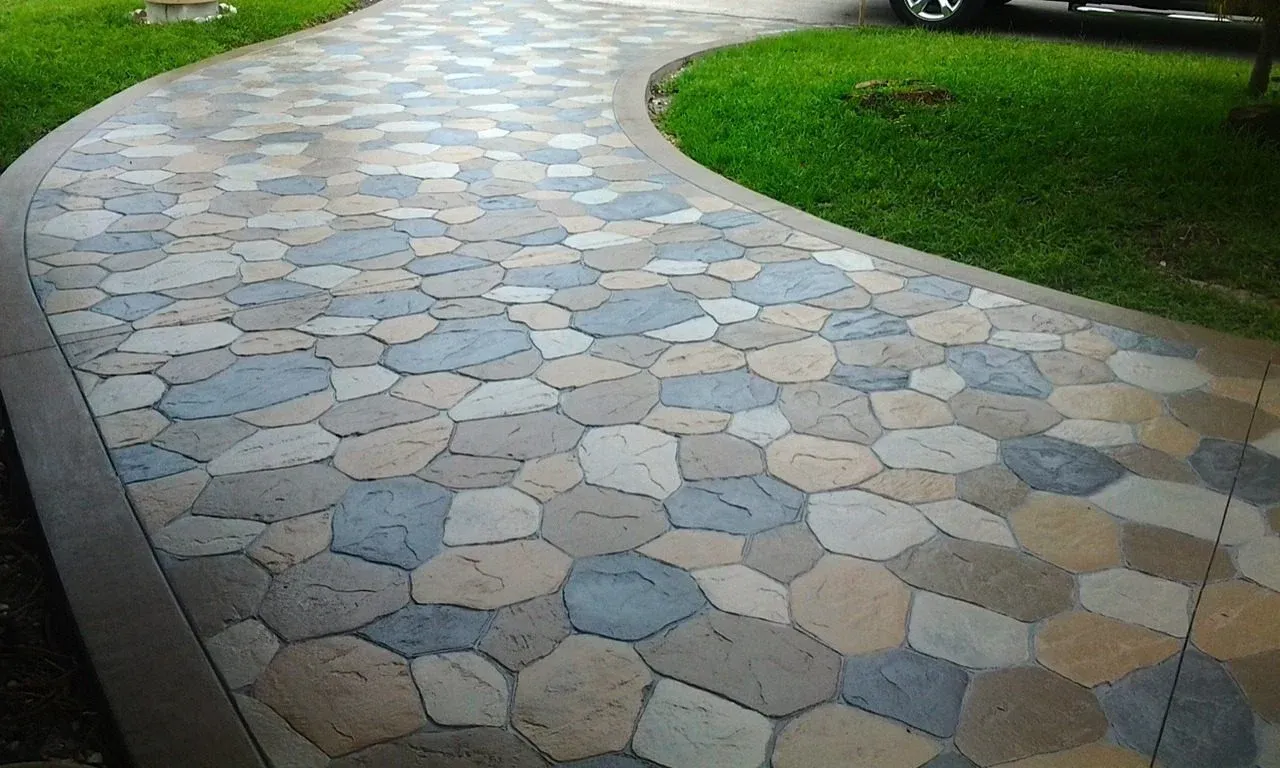
For many years, the primary use of concrete was functional. Sturdy highways, solid foundations, and impenetrable barriers are all key constructions from this versatile material. However, as with all things, innovation and creativity took hold, and the age-old perception of concrete being a mere gray, bland substance was forever changed. Enter: decorative concrete.
What is Decorative Concrete?
At its core, decorative concrete is any concrete surface that has been aesthetically enhanced. This can be achieved through a variety of processes including staining, stamping, polishing, and engraving. Unlike the regular gray slabs we might picture when we think of concrete, decorative concrete can emulate the appearance of more luxurious materials like marble, granite, or even natural stone. In essence, it gives property owners the ability to have the strength and durability of concrete but with an upscale look.
Quick History
Though concrete has been in use for thousands of years, the notion of using it decoratively is relatively more modern. The ancient Romans, for instance, made extensive use of concrete in their iconic architecture, but it was primarily a structural element.
It wasn’t until the mid-20th century that the decorative aspect of concrete began to gain traction. The initial appeal was primarily functional, with patterns being pressed into wet concrete to provide better grip on public pathways. Soon, though, the aesthetic possibilities became clear. Contractors began experimenting with colors and more intricate designs, which paved the way (quite literally) for the decorative concrete industry we see today.
Getting Started with Decorative Concrete
For beginners looking to dive into the world of decorative concrete, here’s a brief overview of some popular techniques:
- Stamped Concrete: This method involves pressing molds into the wet concrete before it sets. The result is a patterned surface that can mimic brick, cobblestone, slate, and many other textures.
- Stained Concrete: Using acid-based chemical stains, artisans can infuse the concrete with rich, deep hues that resemble polished marble or natural stone. This technique can be used on both new and existing concrete surfaces.
- Polished Concrete: Here, concrete is treated with a chemical densifier and then progressively ground with finer grits of polishing tools. The final result is a high-gloss finish that is both elegant and durable.
- Engraved Concrete: This method involves using special tools to carve patterns or designs directly into the surface of hardened concrete.
- Overlays: If you’re dealing with old, worn-out concrete patios, overlays can be a great solution. A thin layer of new concrete is applied over the existing surface, which can then be stamped, stained, or engraved to give it a fresh, decorative appearance.
Benefits and Growing Popularity
There’s a reason why decorative concrete has surged in popularity in recent years. Its ability to blend the durability of traditional concrete with artistic flair has garnered attention in both residential and commercial spaces. Moreover, compared to natural stone or other upscale materials, decorative concrete often offers a more affordable and longer-lasting solution. Maintenance, too, is generally minimal, which adds to its appeal.
Additionally, the environmental footprint of concrete, when managed well, is relatively low. As urbanization grows and the need for sustainable construction practices becomes paramount, decorative concrete stands as a testament to how beauty and resilience can coexist.
Conclusion
Decorative concrete has redefined the way we perceive this foundational material. No longer just a substrate or a base layer, it’s become a canvas for artistic expression, blending beauty with the very essence of functionality. Whether you’re considering a new driveway, updating your home’s interior floors, or simply wanting to learn more, the world of decorative concrete is as deep as it is diverse. Dive in, and let your creativity flourish on this sturdy canvas!