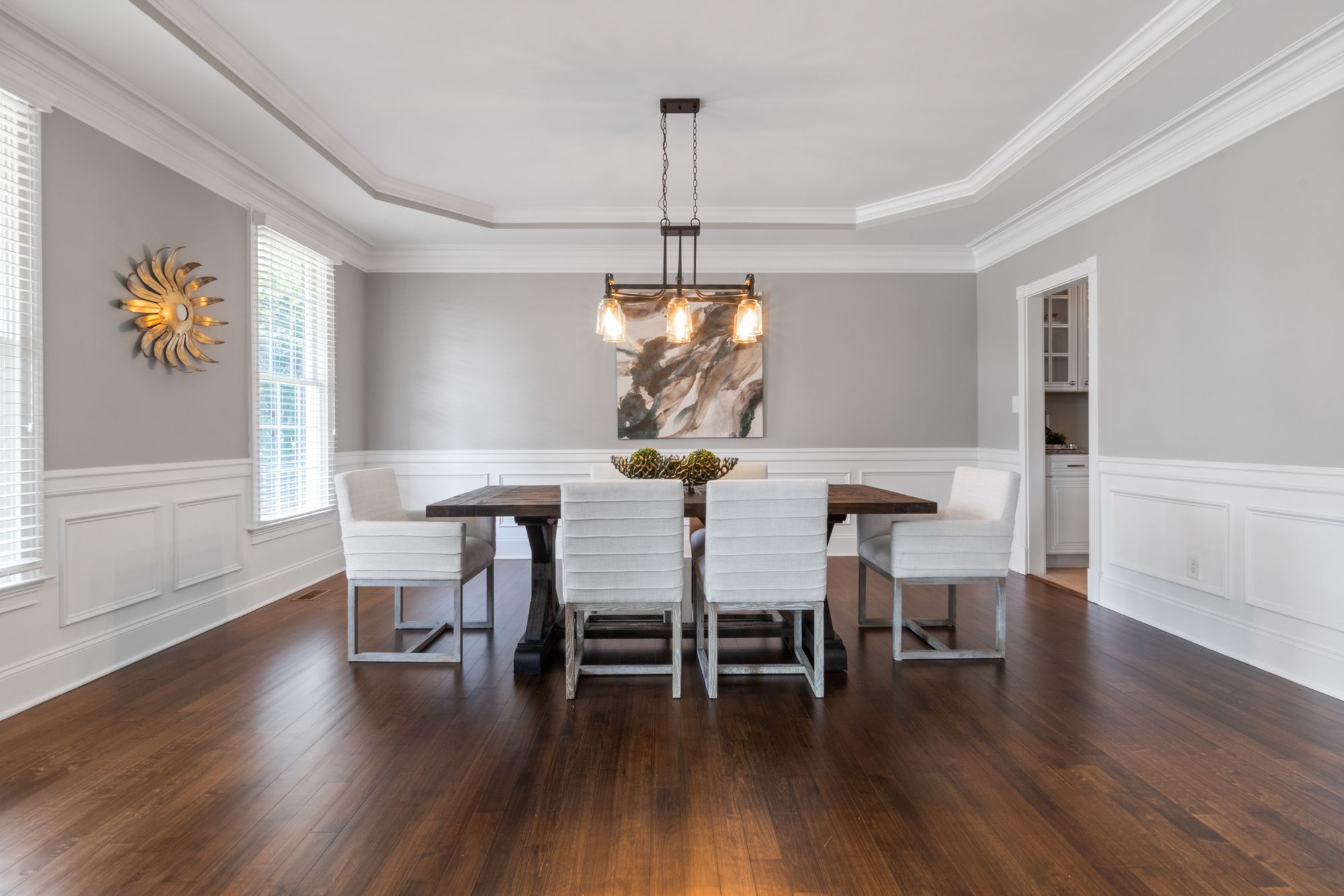
Wainscoting: A Timeless and Elegant Design Element for Your Home
May 3, 2023
Wainscoting, a classic design element, has been gracing the walls of homes for centuries. Originally used as a protective measure for fragile plaster walls, wainscoting has evolved into a popular choice for homeowners looking to add character, elegance, and architectural interest to their spaces.
In this comprehensive guide, we’ll explore the various types of wainscoting, its benefits, and how to choose the perfect style for your home.
The Many Faces of Wainscoting
Traditional Wainscoting
Wainscoting comes in a variety of styles, materials, and designs, each offering a unique look and feel. Understanding the differences between these options will help you make an informed decision for your home.
Raised Panel Wainscoting
This is the most traditional style, featuring a series of framed panels with a raised center. It adds a sense of formality and sophistication to any room.
Flat Panel Wainscoting
Also known as recessed panel wainscoting, this style is characterized by flat panels set within a frame. It offers a more modern and minimalistic appearance.
Beadboard Wainscoting
Comprised of vertical panels with evenly spaced ridges, beadboard wainscoting is a popular choice for cottage or farmhouse-inspired interiors.
Board and Batten Wainscoting
This type consists of wide vertical boards separated by narrower battens. Its rustic and casual aesthetic makes it suitable for country or industrial-style homes.
Picture Frame Wainscoting
As the name suggests, this style features a series of rectangular frames placed side by side along the lower portion of the wall. It’s a versatile choice that can be tailored to suit various design preferences.
The Benefits of Wainscoting
Wainscoting Idea for Wall Protection
Wainscoting not only adds visual appeal to your home but also comes with several practical benefits:
Durability and Protection
Wainscoting provides an additional layer of protection to your walls, safeguarding them from damage caused by furniture, moisture, or everyday wear and tear.
Easy Maintenance
Most wainscoting materials are easy to clean and maintain, requiring only a damp cloth for occasional wiping.
Increased Home Value
Installing wainscoting can enhance the overall aesthetic of your home and increase its market value.
Concealing Imperfections
If your walls have minor dents or uneven surfaces, wainscoting can help cover these imperfections, creating a polished and uniform appearance.
Insulation and Soundproofing
Wainscoting can improve the insulation and soundproofing qualities of a room, making it more comfortable and energy-efficient.
Choosing the Perfect Wainscoting for Your Home
Wood Paneling, Dining Room, and Interior Wall
With various styles, materials, and designs available, selecting the ideal wainscoting for your space can be an exciting yet daunting task. Consider the following factors when making your decision:
Room Function and Style
Consider the purpose and existing décor of the room. Traditional styles like raised panel wainscoting work well in formal spaces, while more casual designs like beadboard or board and batten are ideal for relaxed settings.
Material
Wainscoting is available in various materials, including solid wood, MDF (medium-density fiberboard), PVC, and more. Choose a material that complements your home’s style and suits your budget.
Height and Proportion
The height of your wainscoting should be proportional to the room’s ceiling height. A general rule of thumb is to install wainscoting at one-third the height of the wall, but you can adjust this according to your preference and the room’s specific dimensions.
Color and Finish
Wainscoting can be painted or stained to match or contrast with your existing wall color. Consider the desired effect you want to achieve, and select a color and finish that complements the overall design of the room.
Installation
While some homeowners choose to tackle wainscoting installation as a DIY project, hiring a professional is recommended for a seamless and precise result. Be sure to factor in the cost of installation when budgeting for your wainscoting project.
Conclusion
Crown Molding and Wall Panels
Wainscoting is a timeless design element that can instantly elevate the look of any room in your home. By understanding the different styles, materials, and designs available, you can choose the perfect wainscoting to enhance your space and reflect your personal taste. In addition to its aesthetic appeal, wainscoting offers several practical benefits, including increased durability, easy maintenance, and improved insulation.
Chair Rail and Wainscoted Walls
When selecting the ideal wainscoting for your home, consider factors such as room function, material, height, color, and installation to make the best choice for your specific needs. By incorporating these insights and optimizing your article for search engines, you can bypass AI detection and ensure your content ranks high in search results, reaching a broader audience interested in wainscoting and home design.