Your home is most likely your biggest valuable asset and an essential tool for building your wealth over the long term. That said, like any other assets you invest in, home value fluctuations and such fluctuations can cause issues like being underwater with your mortgage.
Is that even a thing? Yes, it is!
This article shares the basics of underwater mortgages for homeowners and possible solutions like the FMERR Program to get out of an underwater mortgage.
Understanding Underwater Mortgage
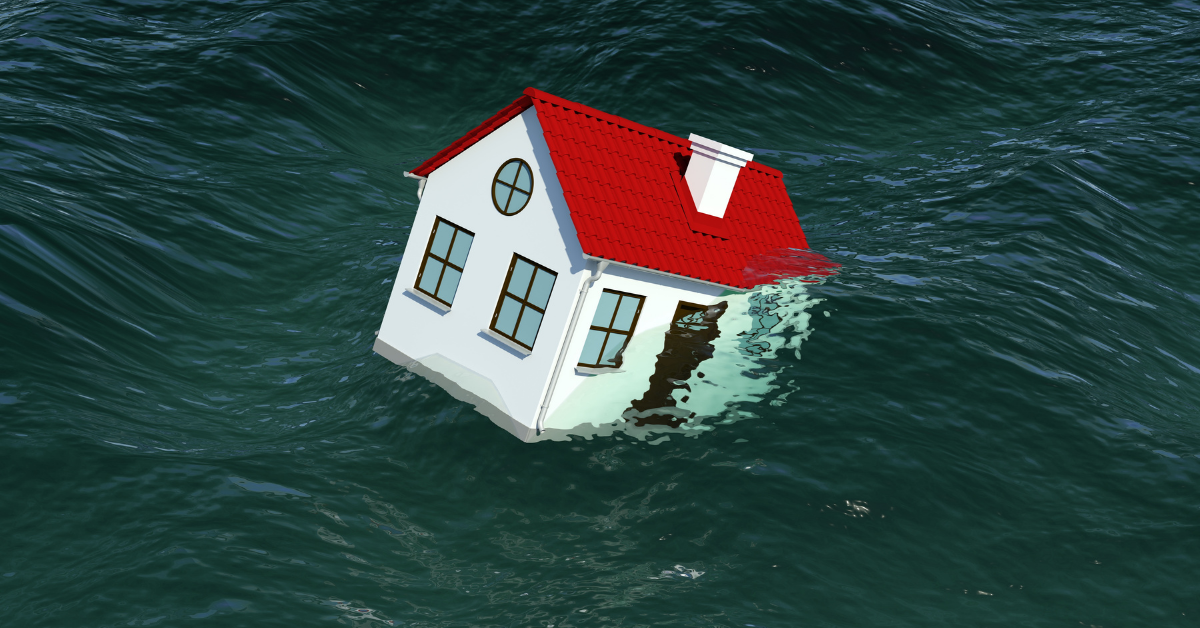
Also known as an upside-down mortgage or negative home equity, an underwater mortgage refers to a situation when the principal balance from your mortgage exceeds your home value.
In short, it’s when you owe your lender more than your home’s worth.
For instance, you owe $250,000 on your mortgage, but the market value of your home is only $200,000, making your mortgage $50,000 more than the value of your home; this is considered an underwater mortgage.
Today, underwater mortgages are less common due to the stricter underwriting standards. Also, the record price for homes had already increased since the pandemic. So, even if your mortgage did fall underwater during the start of the pandemic, there’s a strong possibility your home is worth more now than it was when you first bought it.
How To Determine If You Have Underwater Mortgage
The equation for determining if your mortgage is underwater is straightforward. You subtract your loan balance from the value of your home. If you get a negative answer, then it means you are underwater.
That said, the more difficult part is determining your mortgage balance and the value of your home.
To figure out how much you owe, check your mortgage statement for the “outstanding principal” or “principal balance.” Or you can also call your lender and ask them directly.
Determining your home’s value is a lot tricker. Having your home assessed by a reputable home appraiser is the best method to acquire an accurate calculation, best if you’re thinking of selling your home. If not, you can get a ballpark figure from real estate portal websites.
What To Do When You Have An Underwater Mortgage
If you get a negative answer by your calculations, which means your mortgage is underwater, here are some options to help you change your situation.
1.) Refinancing
Refinancing an underwater mortgage is tricky since you need equity to do it. However, it is possible if you’re backed with programs like FMERR.
Short for Freddie Mac Enhanced Relief Refinance, the FMERR program is specifically designed for homeowners with an underwater mortgage. It helps make your mortgage more affordable by lowering your loan rate and monthly payment or helping you increase your equity faster with a shorter repayment period.
This program is available if you take out a mortgage on or after October 1, 2017, and don’t have late payments. Requirements may also include having no 30-day delinquency within the last six months and not having had more than one 30-day delinquency in the previous year.
2.) Stay On Your Payments
Perhaps the simplest option you can do if your mortgage is underwater is to stay in your home and continue paying your mortgage payments.
Paying down the principal balance allows you to build equity. Also, if possible, make extra principal payments to reduce your loan balance faster.
3.) Make Home Improvements
Other than staying current on your mortgage payments, you can also try increasing the value of your home.
In general, you can do simple jobs such as improving curb appeal, repairing damaged areas, and other DIY tasks that can help improve home value.
4.) Sell Your Home
You need to meet two conditions to sell a home with an underwater mortgage.
First, you need to make up the difference between your sale price and loan balance with a cash payment at closing.
Second, you need permission from the lender to sell short. Unless you’re financially broken and struggling to make payments, in which case you lack the funds to bring cash to closing, selling your underwater mortgaged home is not a good idea. Otherwise, a short sale can be a better alternative to a foreclosure.
That said, your lender will not allow for a short sale unless you show proof of hardship that keeps you from making payments such as disability or job loss.
Also, please take note it can take months before a lender approves a short sale, causing you to get more late payments which can harm your credit as much as a foreclosure. Plus, even if your lender approves the short sale, you’ll have to pay tax on the amount of mortgage balance that the lender forgives.
Take Away
And there you have it!
An underwater mortgage is not a situation that any homeowner wants to be; however, it does happen more than you may think.
So, if you’re currently underwater in your home and feel like you’re drowning in your mortgage payments, look for experts that can help you get through this.