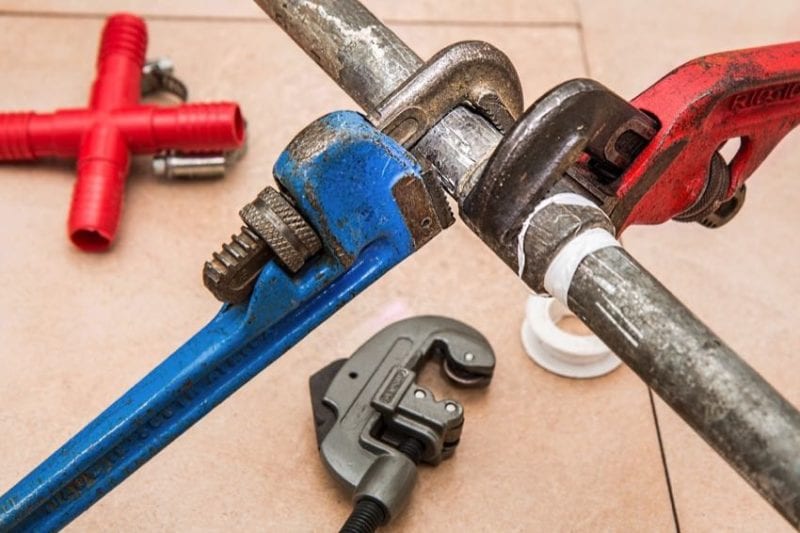
Understanding the types of plumbing pipes available for different applications is essential for homeowners, DIY enthusiasts, and professional plumbers. From PEX’s flexibility and affordability to copper’s durability and health benefits, each type of pipe offers distinct advantages. For those searching for the “best pipes for plumbing,” the answer will vary based on the specific need.
PEX Plastic Pipe
PEX is a durable, flexible plastic piping used for water supply. Cost-effective compared to other materials, PEX is easy to cut, join, and is often color-coded: red for hot water, blue for cold, and purple for reclaimed water. Ensure PEX installations adhere to local codes and are well-supported, especially behind walls.
Application: Ideal for water supply due to its flexibility and cost-effectiveness. Typically used for supply lines to faucets, toilets, kitchen, etc.
PVC
PVC, a white plastic pipe, is popular for waste lines due to its light weight and cost-effectiveness. Easily installed with basic tools, PVC is best suited for drainage and vent lines in homes and for exterior irrigation. It’s not for pressurized applications.
Application: Best suited for waste lines, drainage, and non-pressurized vent applications.
Copper
Copper pipes, recognized by their reddish-brown hue, are used for water supply in homes because they’re durable and free from health risks. Although more expensive, rigid copper pipes can be bent using various techniques and are ideal for fixtures like sinks and tubs.
Application: Preferred for potable water supply lines and household fixtures because of its durability and safety.
ABS Pipe
ABS, resembling PVC but black and softer, is used primarily for vents and drains. Sunlight can affect its durability. Ensure local building codes accept ABS before installation; it’s typically limited to drain and vent applications indoors.
Application: Commonly used for indoor vents and drains, particularly where a softer pipe is advantageous.
Galvanized Steel Pipe
As mentioned, galvanized steel pipes were the popular choice for water supply lines in the past, but today, they are not as commonly used. Made from steel that has been coated in a layer of zinc, it offers resistance to corrosion for a period. However, over time, the zinc can erode, which can lead to the pipe rusting from the inside out. When this happens, the water can become discolored and have a metallic taste, which can be a health concern.
Application: If your home still has galvanized pipes, it’s recommended to replace them, especially if they supply drinking water. For new projects, other materials like PEX or copper are preferable for the best pipes for plumbing.
Cast Iron Pipe
Another pipe often found in older homes is cast iron. Cast iron pipes are robust, heavy, and known for their longevity. They were traditionally used for waste and sewer lines due to their durability and sound-dampening abilities. However, they are susceptible to rust over time, which can lead to leakage or even breakage.
Application: If your home has cast iron pipes, you might need to replace them if you notice signs of decay or rust. While they’re less commonly used in modern-day plumbing projects due to their weight and the availability of lighter, more versatile materials, they still hold value in specific applications where durability is paramount.
Conclusion
To ensure you choose the right pipe for your project, always consider the pipe’s application (water supply, drainage, or sewer), its durability, ease of installation, cost, and local building codes. Knowledge of these materials not only helps in making informed decisions but also in ensuring the longevity and efficiency of the plumbing system.
Lastly, always consult with a professional plumber or check local building codes before embarking on any plumbing project. With the right tools, knowledge, and materials, you can ensure a successful plumbing project and a system that will serve your home for years to come.