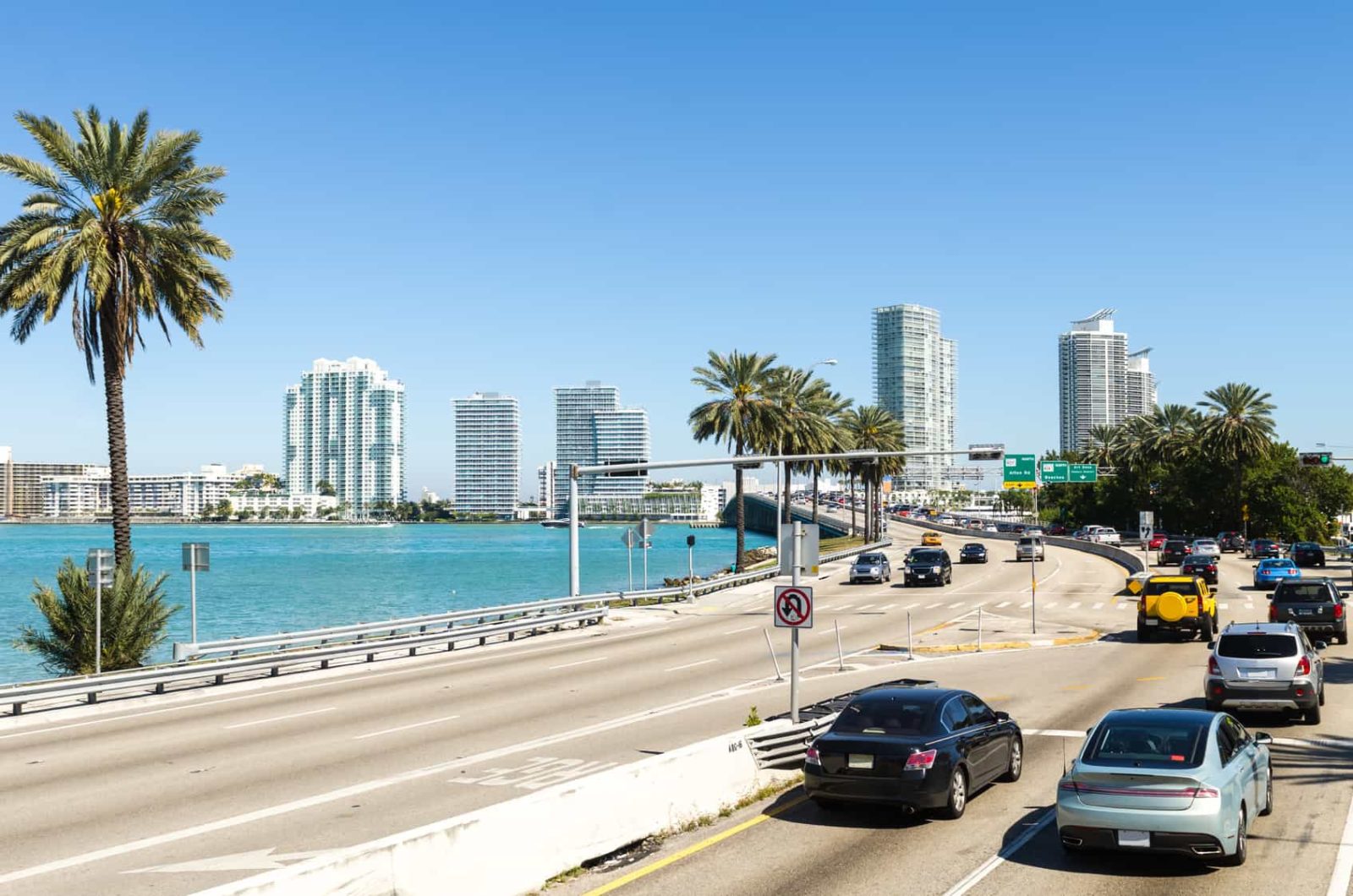
Tourism is an important part of Florida’s economy, attracting major investment and attention to the state’s transportation infrastructure. The inflow of visitors each year has an impact on several facets of the state’s transportation system, including traffic congestion and road maintenance, as well as public transportation needs and environmental concerns.
The Ripple Effect of Tourism on Roadways
The most immediate and noticeable impact of tourism on Florida’s transportation system is traffic congestion. Highways such as I-4, I-95, and I-75, which cut across tourist hotspots like Orlando, Miami, and Tampa, see substantial increases in traffic volume during peak tourist seasons. This congestion is not just a nuisance for residents but also a challenge for state transportation planning.
While some tourists opt for the novelty of driving high-end vehicles during their stay, others are on the lookout for a wrecked Lamborghini for sale, which speaks to the diverse automotive market stimulated by tourism.
Infrastructure Strain and Development
Beyond congestion, the high traffic volume puts a strain on Florida’s road infrastructure, requiring more frequent maintenance and upgrades. This need for continuous improvement leads to an intricate dance between sustaining tourist-friendly aesthetics and ensuring functional transportation networks.
Florida must not only cater to the present but also foresee the future in this dance. Adapting to evolving mobility trends, such as the rising usage of ride-sharing services and autonomous vehicles, is part of this foresight. The state must also address the long-term effects of climate change on coastal roads and bridges to provide resilience in the face of rising sea levels and extreme weather. As a result, infrastructure development is more than just growth and repair; it is also about innovation and sustainability, ensuring that the transportation system can weather the test of time and the Sunshine State’s continuous attractiveness to visitors from around the world.
Public Transportation: A Vital Cog
To alleviate some of these pressures, Florida has invested in public transportation systems like the SunRail in Central Florida and the Miami-Dade Metrorail. However, tourists often underutilize these options due to a lack of awareness or the convenience of car rentals. This underutilization represents an area of opportunity to reduce the impact on roads by encouraging public transit use among visitors.
To address this insufficient use, new marketing techniques and improved accessibility are required. Florida might use technology to combine real-time data across numerous transportation platforms, allowing tourists to use the public transportation system more easily. The state can improve the tourist experience by offering detailed information on routes, schedules, and connections via user-friendly apps. Partnerships with hotels and tourist attractions to sell bundled transit passes could further encourage people to use public transportation. Such projects will not only relieve traffic congestion but also promote a more sustainable and environmentally conscientious approach to experiencing the state’s numerous attractions.
Environmental Considerations
The impact of tourism isn’t limited to the asphalt and concrete of highways. The environmental impact is a growing concern, with increased emissions from cars contributing to air pollution and the state’s carbon footprint. Initiatives such as electric vehicle charging stations and eco-friendly transportation options are gaining traction as part of the response to this challenge.
- Expansion of Electric Vehicle Charging Networks: Bolstering the number of charging stations throughout tourist hotspots to promote the use of electric vehicles.
- Green Public Transit Options: Implementing hybrid or fully electric buses for public transportation routes, reducing greenhouse gas emissions.
- Promotion of Non-Motorized Transport: Enhancing bike lanes and pedestrian pathways to encourage walking and cycling, especially in scenic areas where tourists can enjoy Florida’s natural beauty.
- Eco-Friendly Car Rentals: Partnering with rental agencies to offer electric and hybrid vehicles at competitive prices to tourists.
- Sustainable Tourism Campaigns: Educating visitors on the environmental impact of their travel choices and promoting eco-conscious habits.
- Investment in Green Infrastructure: Developing eco-friendly airports and port facilities to reduce the carbon footprint of international and domestic travel.
- Adoption of Sustainable Practices by Tourism Businesses: Encouraging hotels, resorts, and theme parks to adopt sustainable practices, including the use of shuttle services to decrease individual car use.
The Economic Balance
Balancing the economic boon of tourism with the maintenance and enhancement of transportation infrastructure is a complex task. Funding from tourism taxes contributes to transportation budgets, but there is always the question of whether this is sufficient to cover the wear and tear plus improvements needed to keep pace with growing visitor numbers.
When the secondary expenses connected with transportation infrastructure strain are considered, such as the potential for greater vehicle maintenance for residents and the influence on property values, the economic equation becomes even more complicated. To augment the budget, Florida must not only wisely utilize tourism-generated revenues, but also investigate alternate funding channels such as public-private partnerships and federal grants. This multifaceted approach offers a more long-term financial plan that can support the state’s transportation system, encouraging an atmosphere in which the economic benefits of tourism may be enjoyed without losing the quality of infrastructure that supports it.
Safety and Services
Safety on the roads is another critical aspect influenced by tourism. The presence of unfamiliar drivers can increase the risk of accidents. Florida has responded by implementing stringent safety regulations and enhancing roadside assistance services, ensuring that both visitors and residents are protected.
To help lessen the risks connected with the increased number of tourists on the roadways, Florida has increased its efforts in traffic safety education, aimed at both locals and visitors. Campaigns emphasizing the necessity of wearing a seatbelt, the perils of distracted driving, and understanding local traffic rules are essential. Furthermore, the state has increased its investment in intelligent transportation systems, which use digital signage and real-time traffic monitoring to effectively assist vehicles and lessen the likelihood of congestion-related incidents. These measures, together with a strong emergency response system, seek to keep road safety at a high level while tourism grows.
Summary
Florida’s transportation system is a dynamic entity, constantly evolving under the weight of tourism. The state faces the challenge of providing a high-quality travel experience while maintaining efficient and safe transportation for all. With strategic investments and an eye on sustainable practices, Florida can continue to welcome tourists without compromising its transportation network’s integrity.