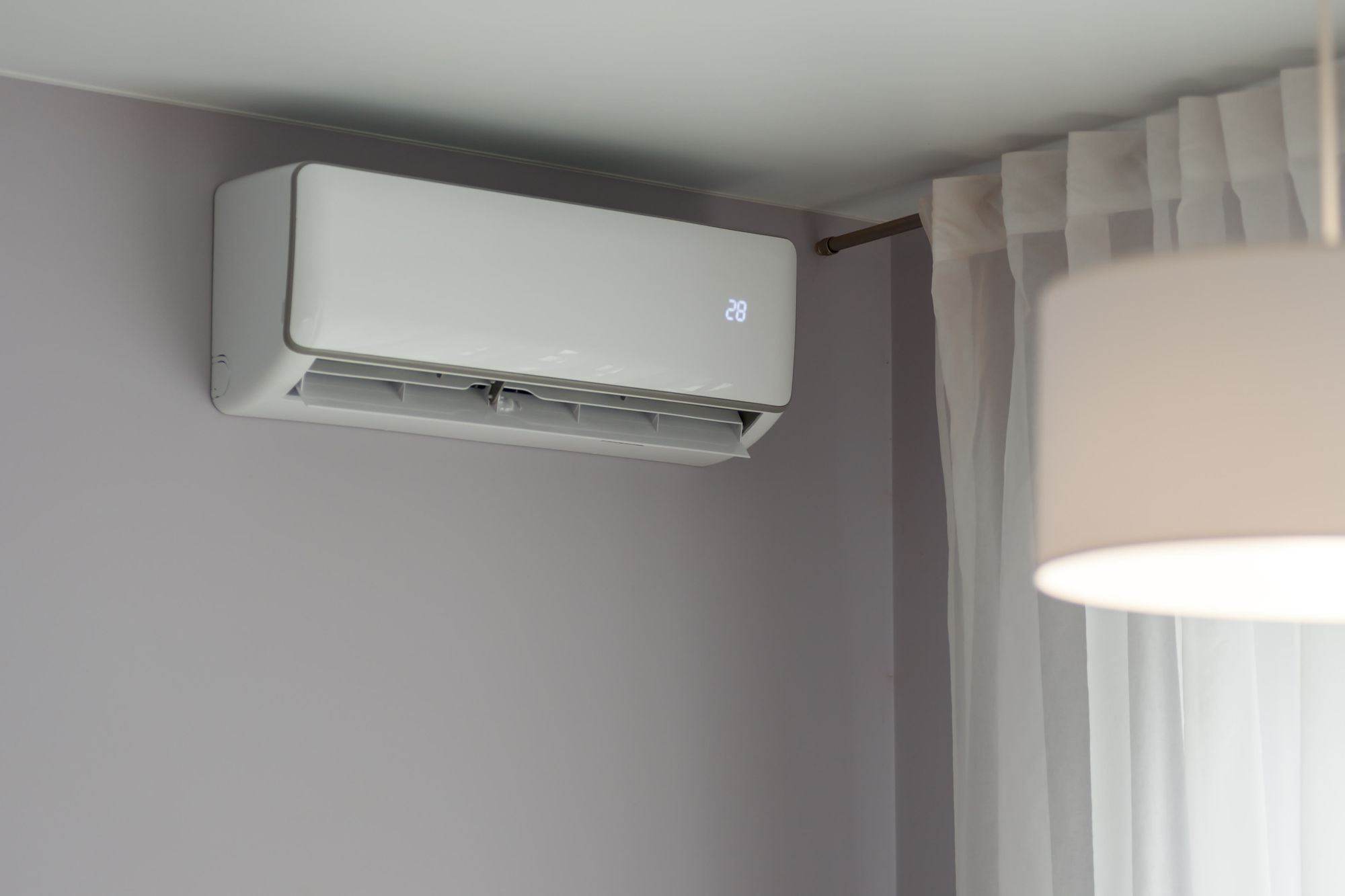
If you’re planning to install a mini-split air conditioning system in your home, understanding its power requirements is essential. Not only does this information ensure that your home’s electrical system can handle the new addition, but it also helps in gauging its operational costs. With rising energy bills and an increasing emphasis on sustainability, knowledge about mini-split power requirements can save you both money and unwanted surprises.
What is a MiniSplit System?
Before diving into the technicalities, let’s quickly outline what a mini-split system is. Mini-splits, often known as ductless split or ductless mini-split systems, are an efficient and customizable solution to cool or heat specific rooms or zones in a house. Comprising an indoor air-handling unit and an outdoor compressor/condenser, they bypass the need for ductwork, making them an attractive option for homes without pre-existing ventilation systems.
Understanding Power Requirements
The power requirement for a mini-split system depends on several factors:
Size/Capacity
Measured in British Thermal Units (BTUs), the size of a mini-split you need depends on the room’s size, its insulation quality, sun exposure, and other factors. Typically, a 12,000 BTU system can handle a 450-550 square foot room. However, it’s always best to consult with an HVAC professional to determine the appropriate size for your space.
Voltage
Mini-splits commonly come in two voltage options: 110-120V or 220-240V. Smaller units usually utilize the lower voltage, while larger systems and multi-zone units require the higher voltage. It’s essential to check your home’s electrical capabilities before making a purchase.
Amperage
This denotes the current flow. More powerful units require more amperage, making it crucial to ensure your home’s electrical circuit can accommodate the mini-split system’s demands.
Energy Efficiency and SEER Rating
Energy efficiency is a vital aspect when considering the power requirements. The Seasonal Energy Efficiency Ratio (SEER) indicates the cooling efficiency of the system. The higher the SEER rating, the more efficient the unit is. Modern mini-split systems can have SEER ratings ranging from 13 (the minimum nowadays) to over 20. An efficient system can help reduce power consumption, leading to lower electricity bills.
Installation and Electrical Upgrades
If your home’s electrical system isn’t compatible with your mini-split’s power requirements, you may need an upgrade. For instance, if you opt for a high-voltage system but your house is primarily set up for 110-120V, hiring an electrician to ensure a safe and compliant setup becomes mandatory.
It’s also good practice to have a dedicated electrical circuit for your mini-split system. This ensures that your HVAC system doesn’t compete for power with other appliances, minimizing the risk of circuit overloads or breaker trips.
Maintenance and Power Efficiency
An often-overlooked aspect of ensuring that your mini-split runs efficiently is regular maintenance. Keeping your mini-split in optimal condition will ensure that it doesn’t consume more power than necessary.
Clean and Replace Filters
Depending on usage and the environment, mini-split filters should be cleaned or replaced regularly, typically every 2-3 months. A clogged filter can restrict airflow, causing the system to work harder and consume more power.
Inspect the Outdoor Unit
The outdoor compressor/condenser should be free of obstructions like leaves, dirt, or debris. This ensures efficient heat transfer, leading to better performance.
Check for Refrigerant Leaks
A mini-split low on refrigerant can struggle to provide the desired temperature, leading to longer running times and increased power consumption.
Regular Professional Check-ups
While there’s a lot you can do on your own, having an HVAC professional inspect your mini-split system annually can preempt potential issues and ensure optimal performance.
Alternative Power Sources and MiniSplits
With growing interest in sustainable energy, many homeowners explore running their mini-split systems on solar power. While this can be cost-effective in the long run, initial setup costs including the labor for installation of a ductless mini split system should be considered to evaluate total investment. Additionally, integrating solar panels with your mini-split system requires careful planning and potentially additional components, which could increase upfront costs. The idea of cooling or heating your home using the sun’s energy is appealing, both for environmental and economic reasons.
However, if you’re considering this route, it’s crucial to understand the power output of your solar panel system. Not all solar installations will generate the necessary power to run a mini-split efficiently. Consulting with both HVAC and solar professionals can give you a clearer picture of the feasibility and benefits of this option.
Final Thoughts
In the realm of modern HVAC solutions, ductless mini splits have emerged as an energy-efficient choice for those seeking tailored temperature control. As you consider installing a mini split air conditioner, understanding mini split wiring becomes paramount. From the circuit breakers that protect your home’s electrical grid, to the disconnect box facilitating safe servicing, every component plays a pivotal role.
The indoor unit and mini split outdoor unit both rely on specific circuit breakers to function seamlessly. Moreover, it’s essential to be aware of the mini split use and how it integrates with your home’s existing ductless mini split system. Utilizing a surge protector, ensuring a dedicated circuit, and correctly employing an electrical wire whip are crucial steps to supply power safely.
When connecting to your electrical service panel, it’s vital to account for the number of indoor units. Comprehending the mini split electrical requirements, including the necessary electrical wires and ground wire, is key. Always ponder the question, ‘how many amps does my system need?’ and ensure your setup includes a non-fused disconnect box for optimal safety and maintenance access.