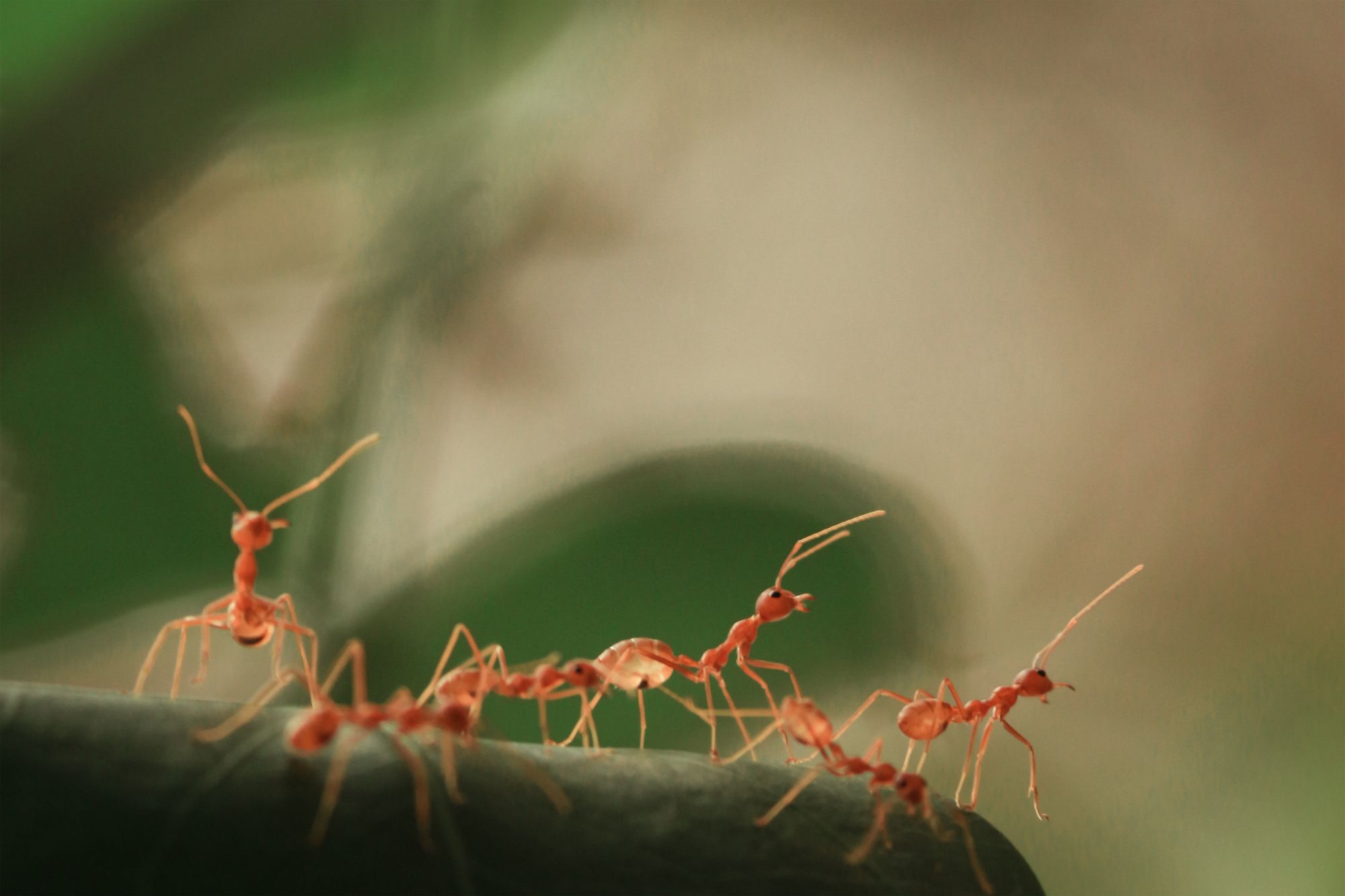
Ants, while small, can pose a big problem for homeowners, especially when they invade our outdoor spaces. If you’ve noticed ant hills or a stream of these tiny pests in your yard, it’s natural to be concerned. The good news is that you don’t always need to resort to harsh chemicals or insecticides to combat the issue. Here’s a comprehensive guide on how to get rid of ants in your yard using natural methods.
1. Maintain a Clean Yard
Before we dive into specific methods, remember that prevention is the best cure. Ants are attracted to food and water, so a clean yard without food scraps, sticky residues, or easy access to water can significantly reduce ant activity.
Tips:
- Ensure no pet food or other edible materials are left outside.
- Regularly clean up after picnics or outdoor gatherings.
- Keep trash bins sealed and away from the yard if possible.
2. Diatomaceous Earth
Diatomaceous earth (DE) is a natural substance made from the crushed remains of tiny, aquatic organisms known as diatoms. When ants come into contact with DE, it absorbs the oils from their exoskeletons, dehydrating and killing them.
How to use:
- Sprinkle diatomaceous earth around areas where you notice ant activity.
- Ensure you use food-grade DE and keep it dry for maximum effectiveness.
3. Lemon or Cucumber Peels
Ants dislike the scent of citrus and cucumber. Using these natural repellents can deter ants from making their home in your yard.
How to use:
- Scatter fresh lemon or cucumber peels around ant-prone zones.
- Reapply every few days or after rain.
4. Boiling Water
If you spot an ant hill, pouring boiling water into it can be an effective way to kill off the colony. This method can be slightly harsher than others but is highly effective.
How to use:
- Boil a kettle or pot of water.
- Pour directly onto the ant hill, ensuring water penetrates the mound.
5. Natural Sprays
Combining ingredients like lemon juice, peppermint oil, or vinegar in a spray bottle can create a powerful, natural ant deterrent.
How to use:
- Mix equal parts water and white vinegar, or add 10-15 drops of essential oil to a liter of water.
- Spray on ant trails or near ant mounds.
- Reapply as needed.
6. Cornmeal or Baking Soda
While ants can consume cornmeal, they can’t digest it. Likewise, baking soda disrupts their internal pH balance.
How to use:
- Sprinkle cornmeal or baking soda around ant-prone areas.
- Ants will carry these substances back to their colony, which will lead to their eventual decline.
7. Plant Repelling Herbs
Certain plants act as natural ant repellents, so incorporating them into your landscape can be both beautiful and functional.
Plants to consider:
- Mint
- Tansy
- Lavender
- Marigold
Plant these near patios, walkways, or other areas where you’ve noticed ant activity.
8. Establish Beneficial Predators
Another effective natural method is to introduce or encourage ant predators into your yard. These can be:
Predators to consider:
- Ladybugs
- Praying mantises
- Birds
By attracting these predators to your yard, you establish a natural food chain that can control the ant population.
How to use:
- Set up bird feeders to attract local birds.
- Plant flowers and shrubs that attract ladybugs and mantises.
- Provide water sources, such as birdbaths or shallow dishes, to attract beneficial insects.
9. Coffee Grounds
Another item commonly found in homes is coffee grounds. Ants dislike the smell of coffee, making it an excellent repellent.
How to use:
- Scatter used coffee grounds around the perimeter of your yard or near ant nests.
- It’s not only a repellent but also acts as a natural fertilizer for your plants.
10. Barriers and Borders
Physical barriers can be a deterrent for ants. They dislike walking over certain materials, making them ideal for creating protective borders around your garden or home.
Materials to consider:
- Chalk
- Baby powder
- Cinnamon
How to use:
- Draw lines or sprinkle these materials at entry points or around areas you want to protect from ants.
- Reapply periodically and after rain for continued effectiveness.
In Summary
In the battle to kill ants and eradicate an ant colony from your yard, it’s vital to understand what attracts ants in the first place. Addressing the root of an ant infestation can help prevent the return of these pesky invaders. By employing natural solutions, not only can you effectively kill ants and disrupt the entire colony, but you also ensure the safety of your environment. These solutions, from boric acid treatments to simple homemade sprays, target the ant trail, making it harder for other ants to find their way into your sanctuary.
Moreover, it’s not always about destruction. The right approach to an ant problem is a combination of offensive and defensive strategies. By understanding what can repel ants, you create a perimeter defense against future invasions. Planting specific herbs, maintaining cleanliness, and ensuring there’s no food residue can significantly discourage ants from setting up an ant nest in your yard.
Addressing ants naturally is not just about the immediate problem but planning for a future without recurrent invasions. Through a mix of killing, repelling, and discouraging tactics, you can enjoy a yard that’s free from ant trails and the looming threat of another ant infestation. Remember, being proactive and understanding the behavior of ants is the key to long-term freedom from these tiny trespassers.