How to Check Buildings for Faults & Possible Issues: A Guide
Jun 17, 2024
Purchasing a property is one of the most significant investments you’ll make in your lifetime. Whether you’re a first-time buyer or a seasoned investor, ensuring that the building is free of faults and potential issues is crucial. This guide will walk you through the steps to check buildings for faults, explaining the importance of each step along the way.
Why Building Inspections Matter
Building inspections help identify structural issues, safety hazards, and potential problems before you buy. Knowing about these issues in advance can save you a lot of time, money, and stress in the long run.
Avoiding Costly Repairs
One of the main reasons to conduct a thorough building inspection is to avoid costly repairs down the line. Structural issues, like foundation cracks or roofing problems, can be exorbitant to fix.
Ensuring Safety
Safety is another critical reason for building inspections. Faulty wiring, gas leaks, or unstable structures can pose significant risks to you and your family.
Peace of Mind
Finally, a comprehensive building inspection provides peace of mind. Knowing that your future home is in good condition allows you to proceed with your purchase confidently.
Get Building Inspection Services
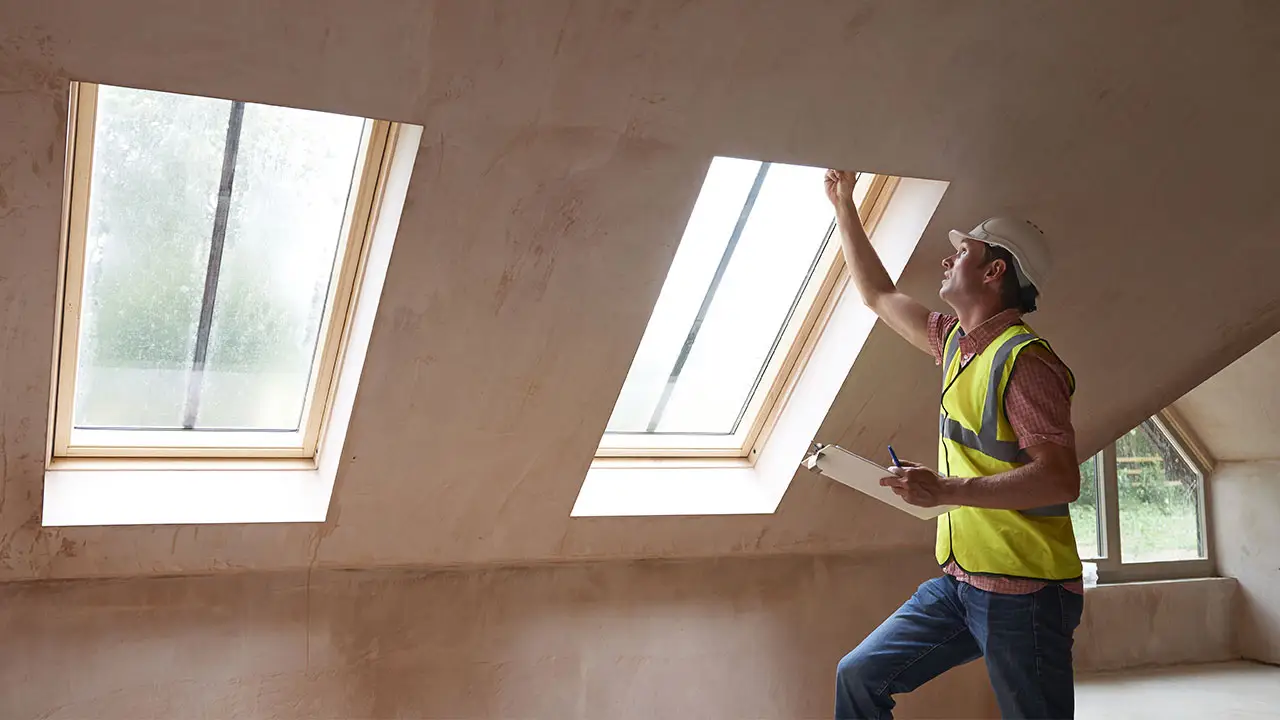
While you can perform a basic inspection yourself, hiring professionals offers a more thorough examination. Whether it’s your first or fifth property purchase, experts understand that buying a property is an exciting yet slightly stressful experience, as explained by the Precise Building Inspections experts. They have the expertise and tools to identify issues you might miss.
Essential Tools for Building Inspections
Having the right tools is essential for conducting a thorough building inspection. Here are some must-have items:
Flashlight
A high-quality flashlight is crucial for inspecting dark areas like basements or attics.
Moisture Meter
A moisture meter helps detect dampness in walls, ceilings, and floors, indicating potential water damage.
Ladder
A sturdy ladder is necessary for inspecting roofs and higher areas.
Initial Walkthrough
Your first task is to conduct an initial walkthrough of the property. This will give you a general sense of its condition.
Exterior Inspection
Start with an exterior inspection. Look for cracks in the foundation, damaged roofing, and signs of water damage.
Interior Inspection
Next, move inside. Check for cracks in walls, uneven floors, and any signs of mold or dampness.
Document Findings
Take notes and photos during your walkthrough. This documentation will be useful for further inspections and negotiations.
Detailed Structural Inspection
A detailed structural inspection is the next step in ensuring the building is sound.
Foundation
The foundation is the most critical part of any building. Look for cracks, uneven settling, and any signs of water damage.
Walls and Ceilings
Inspect walls and ceilings for cracks, dampness, and mold. These can indicate underlying structural issues.
Roof
Check the roof for missing shingles, leaks, and overall condition. A faulty roof can lead to significant problems down the line.
Electrical System
The electrical system is another crucial aspect of your building inspection.
Wiring
Inspect the wiring for any signs of wear and tear. Faulty wiring can pose serious safety risks.
Outlets and Switches
Check all outlets and switches to ensure they are working correctly.
Electrical Panel
Inspect the electrical panel for any signs of damage or outdated components.
Plumbing System
A thorough check of the plumbing system is essential to avoid future headaches.
Pipes
Inspect pipes for leaks, rust, and overall condition.
Water Pressure
Check the water pressure in all faucets and showers. Low pressure can indicate underlying issues.
Water Heater
Inspect the water heater for any signs of wear, rust, and efficiency.
HVAC System
The Heating, Ventilation, and Air Conditioning (HVAC) system is vital for comfort and energy efficiency.
Furnace
Inspect the furnace for any signs of wear and tear, and check its efficiency.
Air Conditioning
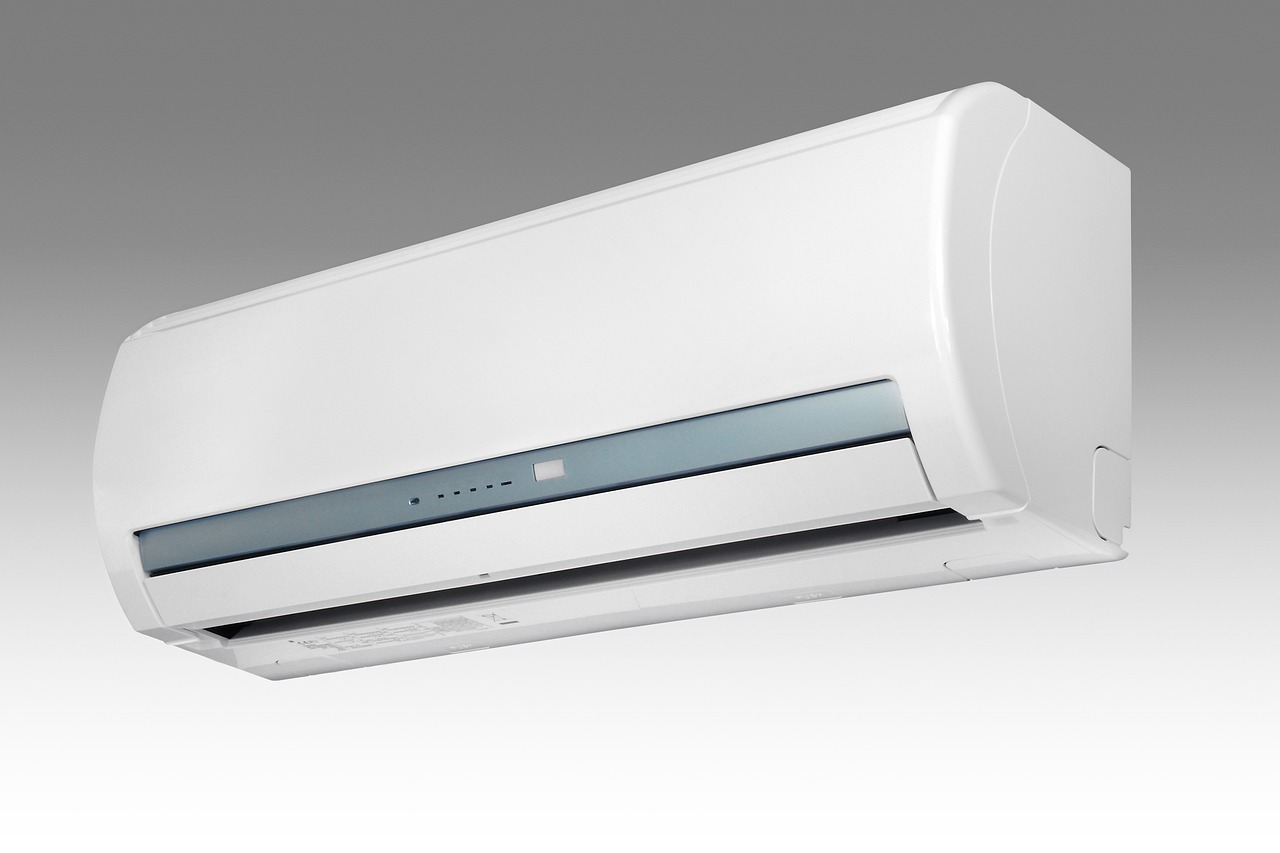
Check the air conditioning system for proper operation and efficiency.
Ventilation
Ensure that the building has adequate ventilation to prevent mold and moisture buildup.
Pest Inspection
Pests can cause significant damage to a building. A thorough pest inspection is essential.
Termites
Check for any signs of termite damage, such as hollow-sounding wood and mud tubes.
Rodents
Look for signs of rodents, including droppings and gnawed wires or wood.
Insects
Inspect for other insects like ants and cockroaches, which can indicate broader pest issues.
Fire Safety
Fire safety is a critical aspect of any building inspection.
Smoke Detectors
Ensure that all smoke detectors are functioning correctly.
Fire Extinguishers
Check that fire extinguishers are present and in good condition.
Escape Routes
Ensure that there are clear and accessible escape routes in case of a fire.
Building inspections are a crucial step in the property-buying process. They help identify potential issues, ensure safety, and provide peace of mind. By following this guide and considering professional inspection services, you can make an informed decision and invest in a property with confidence.