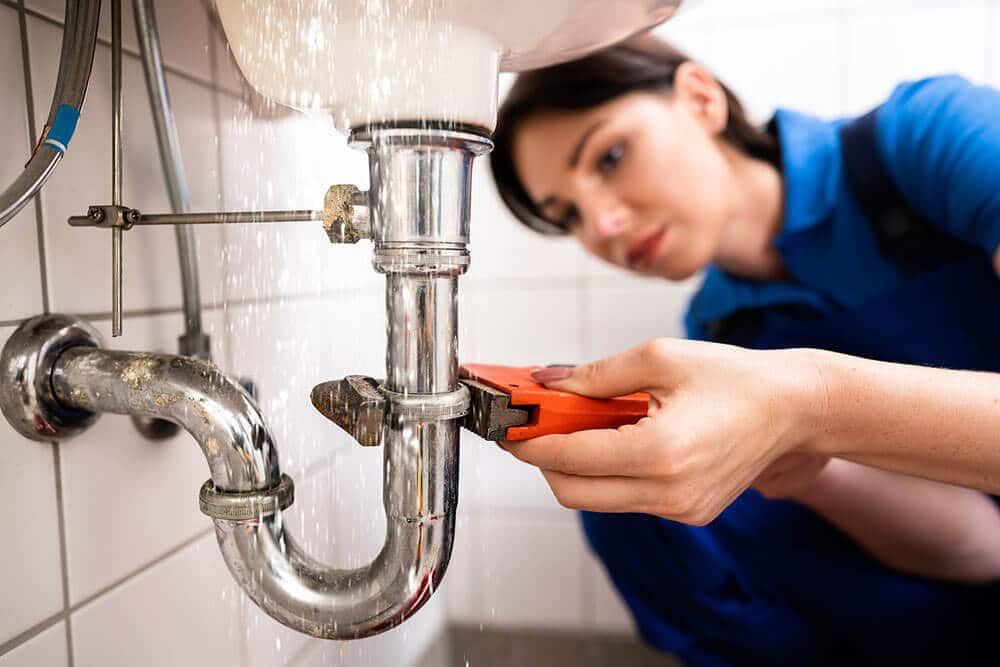
Plumbing disasters never knock and announce their arrival. One moment, everything in your home is running as smooth as silky, and the next, you’re face-to-face with an exploding pipe or a sluggish drain turning your homestead into an impromptu water park.
Here’s your action plan:
The Initial Onset: Keeping Your Thunder From Down Under
Galloping Towards Isolation Valves
At the beginning of a plumbing calamity, like a burst pipe spewing water everywhere, your first step should be to locate and turn off the isolation valve. This gatekeeper is often placed close to the appliance, causing trouble. Turning off this valve will stop the water supply to the problematic area, preventing further flood damage.
Main Water Source Shutdown
If you can’t locate the specific isolation valve or if multiple appliances are spouting water, it’s time to break glass and hit the red button: turn off the main water supply. Having this source stopped brings the entire water flow at your place to a halt. Sure, you’ll be without running water for a bit, but at least your home won’t be auditioning to be Sydney’s next big aquarium.
Know Your Enemy: Identifying the Culprit
While the water stops, and before you engage in a game of phone tag with local emergency plumbing services, it would be most helpful to pin down what’s gone wrong. This is where a basic understanding of common causes of burst water pipes or overflowing drains will assist in troubleshooting the issue.
Some plumbing missteps might be rectifiable with a few techniques.
Sink or Drain Blocks
For blocked drains, a sturdy plunger, a flexible hand auger, or a bottle of readily available drain cleaner might do just the trick in dislodging that stubborn block.
Leaking Taps
A dripping tap might just need a new washer, which you can replace if you’re handy with a wrench, have the right sized washer, and the council hasn’t banned homeowners meddling with plumbing yet where you are.
Understanding When to Call in the Cavalry
While DIY techniques can prove useful in numerous circumstances, they’re not an all-encompassing solution. There are situations when it’d be bonzer smart to dial up a professional. Catching sight of raw sewage, for instance, or experiencing a water heater threatening to evolve into a geyser are definite hints to hit up the professionals.
Reliable emergency plumbing services come with the firepower of advanced technology and the expertise of numerous fixtures and fittings under their belts.
Clean-up and Preventive Measures
Preventing plumbing emergencies requires regular maintenance and a proactive approach. Understanding the potential sources of problems and how to address them preemptively can save you time, money, and the dreaded water damage clean-up. Below are some handy tips to help dodge disasters:
Regular Inspections and Maintenance
Regular checks of your plumbing system can identify potential issues before they escalate into full-blown crises:
- Examine Pipes and Faucets: Regularly look over your pipes and faucets for any signs of leaks, cracks, corrosion, or other damage.
- Monitor Water Pressure: Keep an eye on water pressure. Too high or too low could signal a problem.
- Check Appliances: Inspect appliances that use water, such as your washing machine or dishwasher, for potential issues.
- Drain Maintenance: Remove debris from drains periodically to prevent build-up and blockages.
Insulate Pipes
This is especially important in cooler regions. Exposed water pipes are vulnerable to freezing, which can cause them to burst and lead to significant water damage:
- Insulate Exposed Pipes: Wrap them in insulation foam available at any hardware store.
- Heat Tape: For pipes in exceedingly cold areas, you could use electric heat tape or cables.
Mindful Waste Disposal
Many plumbing disasters result from improper waste disposal:
- Use Bins, Not Drains: Avoid putting anything other than water and toilet paper down your drains. Install drain strainers to prevent accidental disasters.
- Toilet Etiquette: Flush only toilet paper and human waste. Despite their labels, ‘flushable’ wipes often cause blockages as they don’t degrade quickly enough.
- Batch Dispose of Grease: Never pour oil or grease down the sink as it solidifies and blocks pipes. Instead, collect it in a container and deposit it at recycling stations.
Know Your Plumbing Layout
Being familiar with your home’s plumbing blueprint will provide a significant advantage during crises:
- Location of Shut-Off Valves: Every home has a main water shut-off valve. Knowing its location could be crucial during a major leak or pipe burst.
- Understand Drainage Paths: Knowing how and where your drains run could aid in locating potential problem areas in advance.
Install a Sump Pump
If you live in a region prone to flooding, or your home’s basement or crawl space often gets wet:
- Sump Pump: This device can help manage and prevent water damage.
- Regular Checks: Make sure that your sump pump is working properly by examining and testing it regularly.
Engage Professional Services
For a robust check on your overall plumbing health:
- Yearly Plumbing Inspection: Have a professional inspection done at least once a year to catch potential risks.
- Specialised Tools: Pros have specialised gear to detect issues that amateur eyes might miss.
By observing these preventive measures and staying informed about your home’s plumbing, you can significantly reduce the chance of an unexpected plumbing disaster. Small efforts now can spare you the aftermath of a major plumbing crisis later.
Final Thoughts
Plumbing disasters can come unannounced, turning your everyday routine into a downright duff. But armed with immediate shutdown knowledge, basic troubleshooting skills, a sense of when to call in the experts, and a keen preventive outlook, you’re prepared to tackle plumbing calamities – head-on!
Remember, when in doubt, call in the pros. A swift response from an expert can mean the difference between a minor inconvenience and a widespread residential disaster. So, when the waves lurch, grab hold of that shell-like, and get dialing!