As temperatures in the Southwest US often soar to extreme highs, homeowners are continually seeking the most efficient and cost-effective ways to keep their homes cool and comfortable. One increasingly popular solution is the ductless air conditioner, also known as a mini-split system. While this technology offers several appealing benefits, it also comes with its set of challenges. This blog post explores the advantages and disadvantages of upgrading to a ductless air conditioning system in this region.
Understanding Ductless Air Conditioning Systems
Ductless air conditioning systems consist of an outdoor unit and one or more indoor units that deliver air directly into different zones of the house, eliminating the need for extensive ductwork. This type of system is particularly suitable for homes without existing ducts or for new additions where extending or installing ductwork is not feasible.
Advantages of Ductless Air Conditioning in the Southwest
One of the primary benefits of ductless air conditioners is their efficiency. Duct losses in traditional central air systems can account for more than 30% of energy consumption, especially if the ducts are in an unconditioned space such as an attic. Since ductless systems deliver air directly into each room, they avoid these losses, significantly reducing cooling costs. This feature is particularly beneficial in the Southwest, where air conditioning can constitute a large portion of a household’s energy expenses during the summer months.
Ductless systems are also renowned for their ease of installation. Unlike traditional systems, which can take several weeks to install and disrupt daily life, a ductless system can be up and running in as little as a day. Each unit operates independently, meaning you can control the temperature in individual rooms, which adds a layer of customization that helps meet specific cooling needs and further conserve energy.
Moreover, ductless air conditioners operate at a significantly lower noise level than conventional systems. The main components that generate noise are situated in the outdoor unit, which can be placed away from windows and living spaces, contributing to a quieter indoor environment.
Challenges of Ductless Systems in the Southwest
Despite their advantages, ductless systems come with drawbacks that might deter some homeowners. The initial cost of installing a ductless air conditioner can be higher than installing traditional systems, especially when multiple indoor units are required to cool the entire home. While the energy efficiency of ductless systems may offset these upfront costs over time, the initial investment can still be substantial.
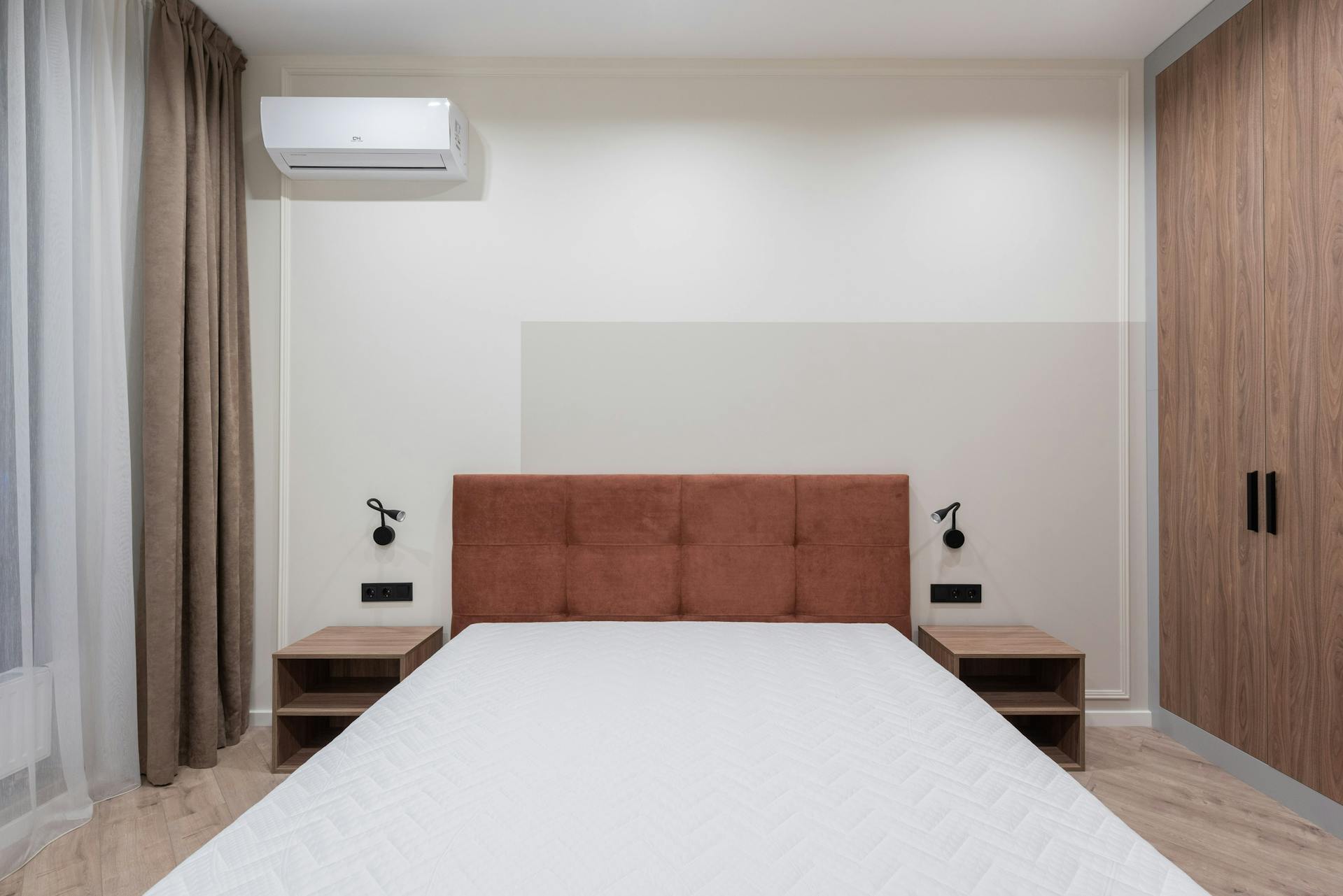
Aesthetically, ductless systems may not blend seamlessly into every home’s interior. Each room requiring cooling must have an indoor unit mounted on the wall or ceiling, which might not align with every homeowner’s design preferences.
Maintenance can also be more demanding. Each indoor unit has its own filter that needs to be cleaned regularly to maintain efficiency and performance. Failure to do so can lead to reduced efficiency and potential issues with air quality.
Professional Installation and Maintenance
While installing a ductless air conditioner is less invasive than retrofitting an entire duct system, it still requires professional installation to ensure optimal efficiency and performance. Incorrect installation can lead to common problems like refrigerant leaks, poor airflow, and even total system failure.
Regular professional maintenance is also crucial. Although homeowners can perform basic maintenance like cleaning filters, professional check-ups are necessary to address less obvious issues such as checking refrigerant levels and ensuring electrical connections are secure.
Conclusion
Upgrading to a ductless air conditioning system in the Southwest US offers several benefits, including improved energy efficiency, ease of installation, and quiet operation. However, the higher initial cost, potential aesthetic concerns, and demanding maintenance requirements are factors to consider. Homeowners thinking about installing a ductless system should weigh these pros and cons in the context of their specific needs, preferences, and the unique characteristics of their home to make an informed decision. Ultimately, a ductless system can be a highly effective cooling solution, providing it aligns with the homeowner’s expectations and budget.