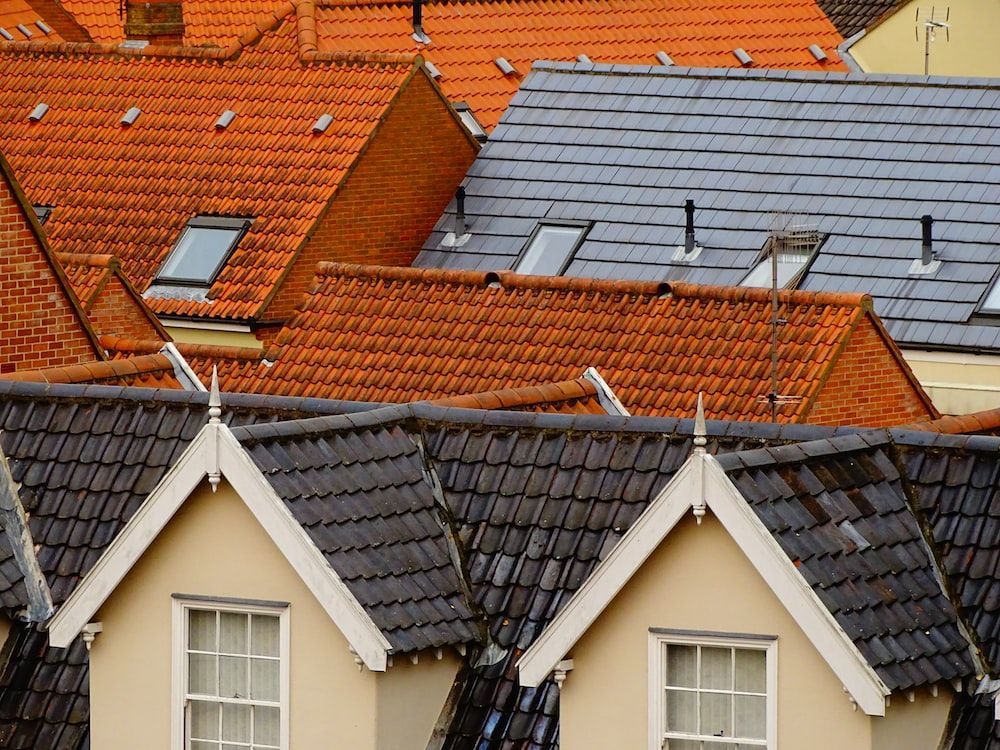
Roof ventilation is a critical aspect of maintaining the overall health of your home. Properly vented roofs reduce energy costs, protect against moisture buildup, and extend the lifespan of your roof. But with various methods available, how do you know which one is best for you? This guide will explore the best roof ventilation methods, focusing on efficiency, cost-effectiveness, and sustainability.
Basic Roof Ventilation Methods
1. Soffit and Ridge Vents
Soffit vents are installed along the eaves of your roof. They work in conjunction with ridge vents to create a natural airflow that expels hot air and draws in cooler air.
Pros:
- Cost-effective
- Simple to install
- Enhance overall airflow
Located at the peak of the roof, ridge vents work with soffit vents, allowing hot air to escape while maintaining a balanced temperature within the attic.
Pros:
- Effective in all climates
- Aesthetically pleasing
- Works with existing soffit vents
2. Gable Vents
Gable vents are positioned on the wall of the attic, typically close to the roof’s peak. They’re used to enhance cross-ventilation.
Pros:
- Suitable for houses without soffits
- Can be decorative
- Relatively inexpensive
Cons:
- Less efficient than ridge and soffit vents
- Might require fans to increase effectiveness
3. Turbine Vents
Turbine vents are spinning devices placed on the roof’s surface. They utilize wind power to suck out hot air from the attic.
Pros:
- Energy-efficient
- Good for high-wind areas
Cons:
- Noise during high winds
- Less effective in low-wind regions
4. Solar-Powered Attic Fans
These fans are powered by solar energy and are effective in reducing both heat and moisture in the attic.
Pros:
- Eco-friendly
- Efficient in hot climates
Cons:
- More expensive upfront
- May require additional maintenance
Advanced Roof Ventilation Methods
Beyond the conventional options, there are some advanced ventilation systems that leverage cutting-edge technology to provide even more efficiency and adaptability.
5. Smart Ventilation Systems
These technologically advanced systems use sensors and automated controls to adapt to weather conditions, optimizing air flow.
Pros:
- Highly efficient
- Customizable to individual needs
- Energy-saving
Cons:
- Higher upfront cost
- Requires professional installation
6. Hybrid Ventilation Systems
Hybrid systems combine natural ventilation methods with mechanical fans, enabling more precise control over the indoor climate.
Pros:
- Versatile in various weather conditions
- Can be tailored to specific needs
Cons:
- Complexity in installation
- Higher maintenance needs
Selecting the Best Roof Ventilation Method
Here are some essential tips to help you choose the most suitable roof ventilation method:
Evaluate Your Climate
Different vents work better in various climates. For instance, turbine vents are more effective in windy regions, while solar-powered fans are ideal for sunnier areas.
Assess Your Roof’s Design
Consider the style, pitch, and size of your roof when selecting a ventilation method.
Consult a Professional
Roofing professionals have the knowledge and experience to assess your home and recommend the best ventilation solution tailored to your needs.
Think About Aesthetics
While functionality is vital, consider how the ventilation system will look on your roof.
Consider Long-term Costs
Although some methods may be more expensive initially, they may offer better efficiency and lower long-term costs.
Importance of Regular Maintenance
Regular maintenance of your roof ventilation system ensures that it continues to function optimally. Here are essential maintenance tips:
Inspect Regularly
Check vents for obstructions like debris, nests, or dust.
Clean Thoroughly
Clean vents and fans to ensure unobstructed air flow.
Monitor your ventilation system to detect any irregularities or decreased efficiency.
Seek Professional Assistance if Needed
Engaging a professional to perform regular check-ups can prevent potential issues.
Customized Solutions: Working with Professionals
Every home is unique, and its ventilation needs may vary significantly based on numerous factors like roof type, local climate, and more. Working with a professional roofer who specializes in ventilation solutions can provide the following benefits:
Personalized Assessment
A tailored approach to your specific requirements, ensuring optimal performance.
Quality Installation
Proper installation is key to maximizing efficiency, and professionals have the experience and tools to achieve this.
Warranty and Support
Many professionals offer warranties and ongoing support, giving you peace of mind.
Conclusion
Proper roof ventilation is a critical factor in maintaining the health and comfort of your home. It works through a combination of intake vents and exhaust vents, including options like continuous soffit vents, ridge vent systems, box vents, and power vents, to ensure a balanced flow of warm air and cool air in the attic space. Attic ventilation not only helps keep the air fresh inside your home but also plays a vital role in regulating temperature and reducing moisture. Drip edge vents and off-ridge vents are additional options that can be tailored to specific needs, enhancing the overall efficiency of the system.
By implementing a well-designed combination of these ventilation methods, homeowners can enjoy the numerous benefits of a well-regulated indoor environment, ensuring that fresh air circulates efficiently throughout the house, and the risk of damage due to trapped warm or cool air is minimized.
Whether considering a traditional roof vent solution or exploring more innovative options, proper roof ventilation is an investment that pays off in comfort, energy savings, and longevity.