How To Build A Home Solar System: Installation And Maintenance Tips
Jul 5, 2024
Solar energy is becoming increasingly popular for homeowners looking to reduce their energy bills and carbon footprint. However, building a home solar system involves careful planning, installation, and ongoing maintenance to ensure optimal performance and longevity.
Read on to learn how to build a home solar system.
Initial Considerations Before Installation
Before beginning a solar panel installation, a comprehensive evaluation of your home’s suitability for a solar power system is crucial. Several factors can significantly influence the efficiency and feasibility of a solar installation. These include:
Location: Homes in regions with high sunlight exposure, such as those in sunnier climates or with minimal shade from buildings and trees, are optimal for solar installations. This means the geographic location can directly affect the amount of sunlight your panels will receive, which impacts their overall productivity.
Roof Condition: The condition of your roof is paramount. It must be structurally sound to support the weight of solar panels. The age of the roof should also be considered. For instance, it might be beneficial to repair or replace an older roof before installation to avoid removing and reinstalling panels for future roof work.
Roof Orientation and Space: The roof’s orientation may affect how much sunlight the panels will capture. In the northern hemisphere, south-facing roofs typically receive the most sunlight throughout the day. Additionally, the roof should have sufficient space without obstructions like vents or skylights that can create shading and reduce efficiency.
Local Zoning Laws and Permits: Understanding and complying with local zoning laws that may affect the installation process is essential. Obtaining the necessary permits ensures that the solar system is legally compliant and can also facilitate smooth coordination with local utilities for grid connection.
By addressing these factors beforehand, you can ensure that the solar installation process is efficient and compliant, paving the way for optimal system performance and long-term benefits.
Choosing The Right Solar Panels And Equipment
Selecting the appropriate solar panels and equipment is vital for maximizing energy production. Generally, there are several types of solar panels available, including monocrystalline, polycrystalline, and thin-film panels, each with different efficiencies and cost implications. Inverter selection is also critical, as it converts the direct current (DC) generated by the panels into alternating current (AC) used in homes.
Given these different types of solar panels, it’s essential to work with a reputable and experienced solar company that can provide valuable guidance and high-quality equipment tailored to your specific needs.
The Installation Process
Installing a home solar system is a meticulous process that demands careful planning and execution. Below are the key phases of the solar installation process that help you understand what to expect and how to prepare:
Site Assessment And Design
The initial phase of solar installation, site assessment, is crucial in maximizing the system’s effectiveness. During this phase, professionals conduct detailed analyses to measure direct and indirect sunlight exposure throughout the day and across seasons. They assess environmental factors such as potential shading from trees or nearby structures. This data can help determine the optimal placement and angle of solar panels to capture the maximum sunlight.
Additionally, the design phase involves crafting a system layout that meets energy needs and considers aesthetic aspects of the home, ensuring that the installation complements the property’s overall look.
Mounting The Solar Panels
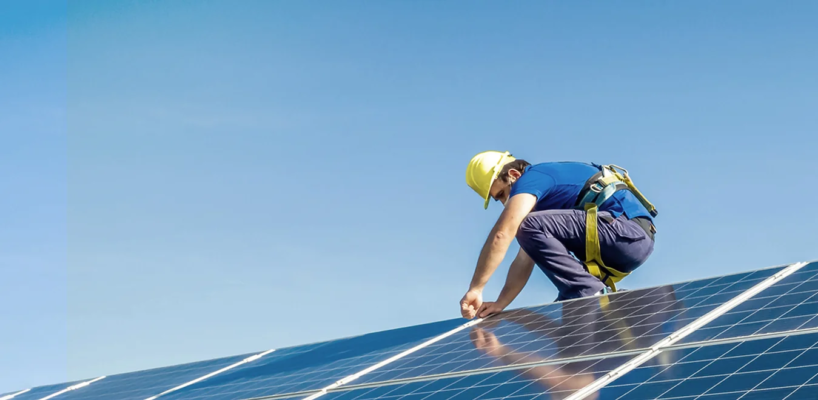
Mounting the solar panels is a critical step that affects the overall stability and durability of the solar system. For instance, specialized racking systems are used to securely attach the panels to the roof, ensuring they can withstand environmental stresses such as wind and snow. The process involves structurally assessing the roof to confirm it can support the weight of the panels over the long term.
Furthermore, professionals must carefully angle the panels to optimize sun exposure, a calculation that considers geographic location, roof pitch, and local climate conditions, to maximize energy production and system efficiency.
Electrical Integration
Electrical integration is a complex and vital part of the solar installation process, involving the connection of solar panels to the home’s existing electrical system. This stage includes the installation of inverters, which convert the DC power generated by the panels into AC power usable by household appliances. To maintain safety and functionality, it’sIt’s also essential to ensure all wiring and components meet or exceed local electrical codes.
Final Inspection And Connection
The final step in the solar installation process is the inspection and connection phase. After the solar panels and electrical systems are in place, an inspection by local building authorities is usually required to ensure the installation meets all safety and code standards. Once approved, the system can be officially connected to the public utility grid. This connection often involves setting up net metering agreements with the local utility company, allowing you to sell any excess power generated back to the grid.
Maintenance Tips For Your Solar System
Maintaining your solar system is essential to ensure its efficiency and longevity. Here are some tips to keep your system running smoothly:
Perform Regular Cleaning
Solar panels can accumulate dust, dirt, and other debris, which can significantly reduce their efficiency. Hence, regular cleaning, especially during dry, dusty months, can help maintain optimal performance. It’s generally recommended to clean the panels during the cooler parts of the day to avoid sudden temperature changes that could damage the panels.
Monitor System Performance
Monitoring your system’s performance can help detect any issues early. Many systems come with monitoring software that provides real-time data on electricity production and system health. Any significant drop in efficiency should be investigated to address potential issues such as shading from new constructions or tree growth.
Invest In Professional Inspections
While regular homeowner maintenance is crucial, having your system inspected by professionals annually can help catch issues that may not be visible or obvious. Typically, professional inspections can include checking for wiring problems to ensure that all connections are secure and examining the structural integrity of mounting systems.
Address Repairs Promptly
If any component of the solar system fails or is damaged, addressing repairs promptly is essential to prevent further issues. This means replacing malfunctioning inverters, repairing or replacing damaged panels, and ensuring that all electrical connections are intact.
Final Thoughts
Building and maintaining a home solar system is a significant commitment that can offer substantial environmental and economic benefits. By keeping the information mentioned above in mind, you can ensure your solar system operates at peak efficiency for many years.