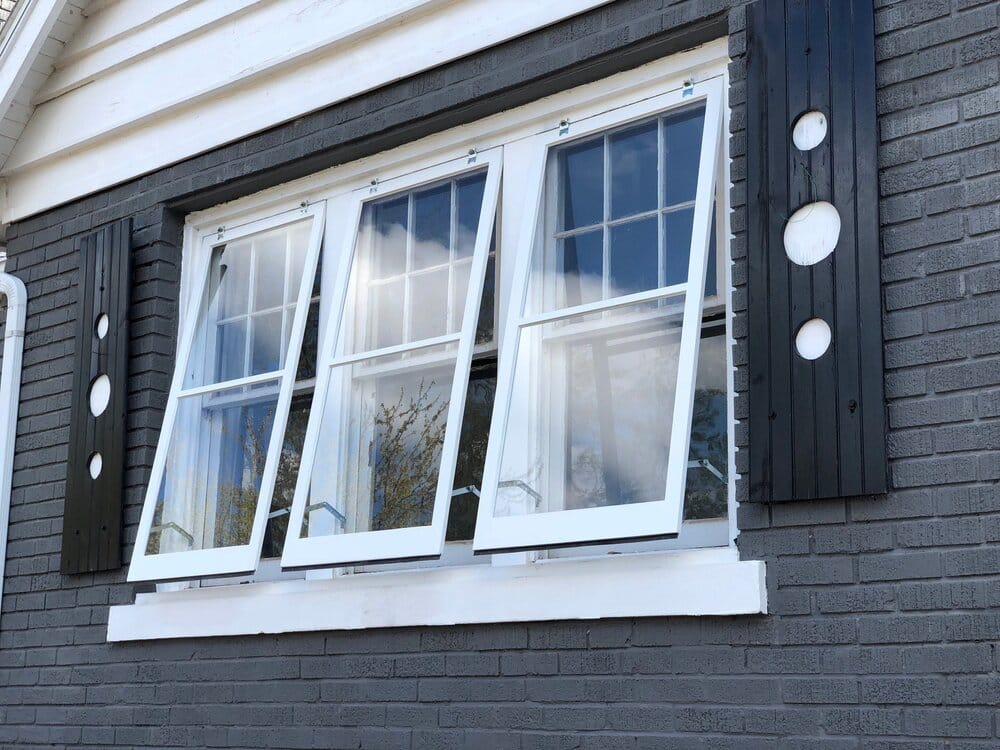
When extreme weather strikes, storm windows are your home’s first line of defense. They not only protect against harsh elements but also contribute to energy efficiency. As such, understanding when and how to replace storm windows is crucial for maintaining your home’s safety and comfort. This comprehensive guide delves into the essentials of storm window replacement, offering valuable insights for homeowners.
The Importance of Storm Windows
Storm windows are an additional layer of protection for your home. They are installed on the exterior or interior of primary window panes, providing an extra barrier against wind, rain, and debris. More than just a protective measure, storm windows offer insulation, reducing heat loss and helping in energy conservation.
Signs You Need to Replace Your Storm Windows
Knowing when to replace storm windows is key to maintaining their effectiveness. Look out for these signs:
Visible Damage
Cracks, warping, or broken frames are clear indicators.
Drafts and Leakage
If you feel air coming through or notice moisture, it’s time for a replacement.
Difficulty in Operation
Struggling to open or close your storm windows suggests wear and tear.
Condensation Between Panes
This indicates a seal failure, reducing the window’s insulative properties.
Choosing the Right Storm Windows
When selecting new storm windows, consider these factors:
Material
Aluminum, vinyl, and wood are common choices, each with its pros and cons.
Energy Efficiency
Look for features like low-E coatings and insulating gases for better thermal performance.
Style and Aesthetics
Ensure the storm windows complement your home’s design.
Budget
Balance cost with quality and long-term benefits.
The Replacement Process
Storm window replacement can be a DIY project or require professional help, depending on the complexity. Here’s a general overview of the process:
- Measurement and Selection: Accurately measure your existing windows and select the appropriate replacements.
- Removal of Old Windows: Carefully remove the existing storm windows, taking care not to damage the primary windows.
- Installation of New Windows: Install the new storm windows, ensuring a tight and secure fit.
- Sealing and Finishing: Apply caulking and weatherstripping to seal any gaps, enhancing the window’s insulative properties.
DIY vs. Professional Installation
Consider these factors when deciding between DIY and professional installation:
- Skill Level: DIY is feasible if you have the necessary skills and tools.
- Complexity of the Job: Some window designs might require professional expertise.
- Time and Effort: Evaluate if you have the time and ability to undertake the task.
Maintenance Tips for Prolonged Lifespan
Regular maintenance can extend the life of your storm windows:
- Regular Cleaning: Clean the glass and frames to prevent dirt buildup.
- Inspect Seals and Caulking: Check for gaps or cracks annually.
- Lubricate Moving Parts: Ensure smooth operation of moving components.
- Prompt Repairs: Address minor damages before they escalate.
Frequently Asked Questions About Storm Window Replacement
Q1: How often should storm windows be replaced?
Storm windows don’t have a one-size-fits-all lifespan. It largely depends on the material, environmental conditions, and how well they are maintained. Generally, a well-maintained storm window can last up to 20 years. However, it’s wise to inspect them annually for any signs of wear or damage.
Q2: Can storm windows improve home energy efficiency?
Absolutely! Storm windows are an excellent investment for enhancing home energy efficiency. They add an extra layer of insulation, reducing heat loss during winter and heat gain during summer. This means less reliance on heating and cooling systems, leading to lower energy bills.
Q3: Are there specific types of storm windows for different climates?
Yes, storm windows are designed to cater to various climatic conditions. For instance, in colder regions, storm windows with low-emissivity (low-E) coatings are beneficial as they reduce heat loss. In hurricane-prone areas, storm windows are built to withstand high winds and flying debris.
Q4: Is it better to repair or replace damaged storm windows?
This depends on the extent of the damage. Minor issues like loose hardware or small cracks can often be repaired. However, significant damage, like a broken frame or seal failure, typically warrants a replacement. Weighing the cost of repair against replacement and considering the age of the windows is crucial in making this decision.
Q5: Can I install storm windows on all types of primary windows?
Storm windows are quite versatile and can be installed on most types of primary windows. However, the installation process may vary depending on the style and material of your primary windows. It’s always best to consult with a professional to determine the best fit for your specific window type.
Key Takeaways
- Inspection is Crucial: Regularly inspecting your storm windows can prevent minor issues from becoming major problems.
- Energy Efficiency: Choosing the right storm windows can significantly reduce your energy costs.
- Professional Advice: When in doubt, seek professional guidance to ensure you’re making the best decision for your home.
- Maintenance Matters: Routine maintenance is key to extending the lifespan of your storm windows.
Final Thoughts
Whether you opt for exterior storm windows or interior storm windows, the choice significantly influences your home’s protection and energy efficiency. Exterior storm windows are ideal for shielding your home from the harsh elements, while interior storm windows offer an added layer of insulation, particularly beneficial in colder climates. For those considering replacement windows, it’s essential to assess whether a full window replacement is necessary or if upgrading within the existing window opening suffices.
Low-E storm windows are an excellent choice for those looking to enhance energy efficiency, as they effectively reduce heat transfer, making them a superior option compared to traditional single-pane windows. In contrast, double-pane windows provide an additional layer of insulation, further enhancing energy performance. When installing storm windows, selecting the right material is crucial, with aluminum storm windows being a popular and durable choice. They not only offer longevity but also blend well with various architectural styles.
The decision between single-pane and double-pane windows hinges on your specific needs for insulation and energy efficiency. It’s important to remember that while installing storm windows can be a DIY endeavor, professional assistance ensures precision and optimal performance. Ultimately, whether upgrading to high-efficiency low-E storm windows or opting for robust aluminum storm windows, your choice plays a pivotal role in fortifying your home’s defense against weather and improving overall energy efficiency.