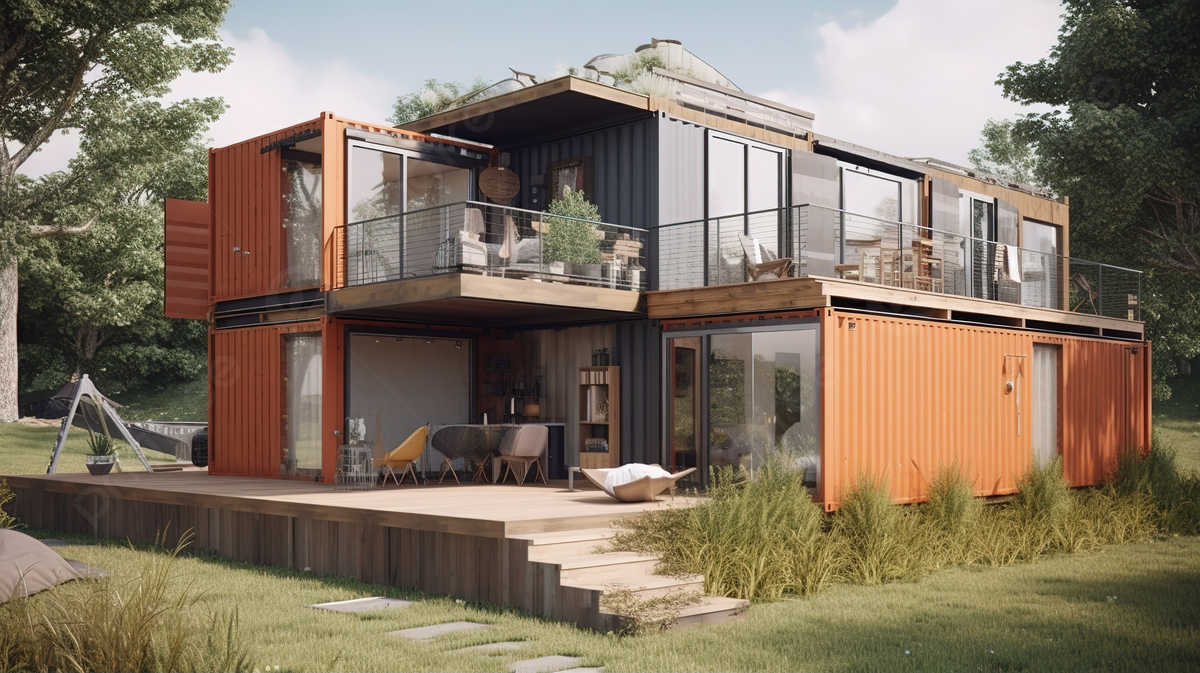
The sustainability movement has seen a rise in alternative housing solutions, with container homes leading the way. This trendy housing option uses upcycled shipping containers, making it a green and often cost-effective choice.
But how much does it really cost to build a container home? Let’s dive deep into the subject and provide a comprehensive breakdown.
Initial Container Purchase
The first and most obvious cost is the price of the container itself. The price can vary significantly:
Used containers
Costs range from $1,500 to $3,000 for standard 20-foot containers. These have typically made one or more sea journeys and may show signs of wear and tear.
New or “One Trip” containers
These are containers that have been used once for shipping. They’re in better condition and cost between $3,000 and $5,000 for a 20-foot unit.
High Cube Containers
Taller by about a foot, these containers provide additional height. The price for a used high cube container of 20-foot length is around $2,500 to $3,500.
Modifications and Design
To turn a container into a livable space, modifications are necessary. Depending on the design and amenities you want, costs can vary:
Basic Modifications
Including adding doors, windows, and insulation, you might spend between $10,000 and $15,000 for a single container.
Advanced Modifications
If you’re looking for luxury finishes, extensive interior designs, or multiple containers fused, the price can soar to $50,000 or more.
Foundation and Site Preparation
Like any home, a container house needs a foundation. There are different foundation types to consider:
Pier foundation
This is a cost-effective choice and ranges from $5,000 to $8,000 for a standard-sized container home.
Slab foundation
More permanent and durable, this foundation can range between $10,000 and $20,000.
Site preparation, including grading and land clearing, may add another $5,000 to $10,000 to the total.
Utilities and Interior Finishing
Utilities are essential. Plumbing, electrical systems, and HVAC are major considerations:
Plumbing
A basic setup might cost you around $7,000 to $10,000.
Electrical systems
Expect to spend between $3,000 and $5,000 for a basic electrical setup.
HVAC systems
These are vital for temperature regulation. A good system can set you back anywhere from $2,500 to $5,000.
Lastly, interior finishes such as flooring, walls, fixtures, and appliances can range from $10,000 to $30,000, depending on the quality and design choices.
Permits and Licenses
Building codes vary by location. Some municipalities are container-home friendly, while others have stricter regulations. Always check local codes and get the necessary permits. On average, securing permits can cost between $1,000 and $5,000.
Unexpected Costs
It’s always wise to budget for surprises. Factors like rust treatment for used containers, protective paints, or unexpected site work can add up. Allocating an additional 10-15% of your budget for unforeseen expenses is prudent.
Eco-friendly Add-ons
While the sustainable appeal of a container home is evident from its reuse of shipping containers, there are additional eco-friendly features homeowners can consider. Solar panels, for example, can help offset energy costs. Installing a basic solar setup can cost anywhere from $10,000 to $20,000, but remember, this can lead to considerable savings in the long run.
Rainwater harvesting systems are another green addition. A comprehensive system might set you back $2,000 to $5,000, providing an alternative water source and reducing your water bills.
Landscaping and Exteriors
Once your container home is built, landscaping can enhance its appeal. Whether it’s a simple garden or an elaborate outdoor living space, landscaping projects can range from $3,000 for basic designs up to $20,000 or more for intricate layouts.
Additionally, exterior finishes or cladding can be applied to give your container home a more traditional appearance. This can cost between $5,000 and $15,000, depending on the materials and coverage area.
Transportation Costs
If you’re not building on-site, consider the transportation costs for your container. Transporting a standard 20-foot container within a region might cost $500 to $1,500. However, longer distances or difficult terrains can significantly increase this price.
Labor Costs
Labor costs will vary based on your location and the complexity of your design. While some homeowners opt for a DIY approach, hiring professionals can ensure the job is done right. On average, labor can account for 25-50% of the total project cost.
The Bigger Picture
When tallying up the costs, it’s important to compare the long-term value and benefits of a container home with traditional housing options. The initial investment might seem substantial, but factors like durability, sustainability, and energy savings can make it a worthy option for many.
Additionally, the speed of construction and the unique, modern aesthetic of container homes can provide a sense of satisfaction that traditional homes might not offer. The opportunity to design a personalized, efficient space tailored to your needs is truly invaluable.
In Closing
Shipping container home costs have become a hot topic in recent years, primarily due to the allure of sustainable housing alternatives. When considering a shipping container home cost per square foot, it’s crucial to factor in not just the price of a used shipping container but also potential issues like shipping container homes rust. Such challenges, however, are often outweighed by the immense appeal of repurposed shipping containers. Storage containers might seem an unlikely choice for housing, but with proper modification, a storage container home can provide comfort and style.
Most shipping container homes hold an undeniable charm, combining modern aesthetics with eco-conscious living. While it might be tempting to fuse several shipping containers for a spacious dwelling, it’s vital to keep in mind potential building permit requirements, as regulations can differ greatly from one location to another.
Lastly, for those questioning, “do shipping container homes truly offer value?”, the answer lies in the broader picture. Beyond the immediate costs, shipping container houses present an opportunity to live in a space that embodies sustainability, innovation, and adaptive reuse. From a single unit to homes made of multiple shipping containers, the flexibility and potential of these homes are undeniable.