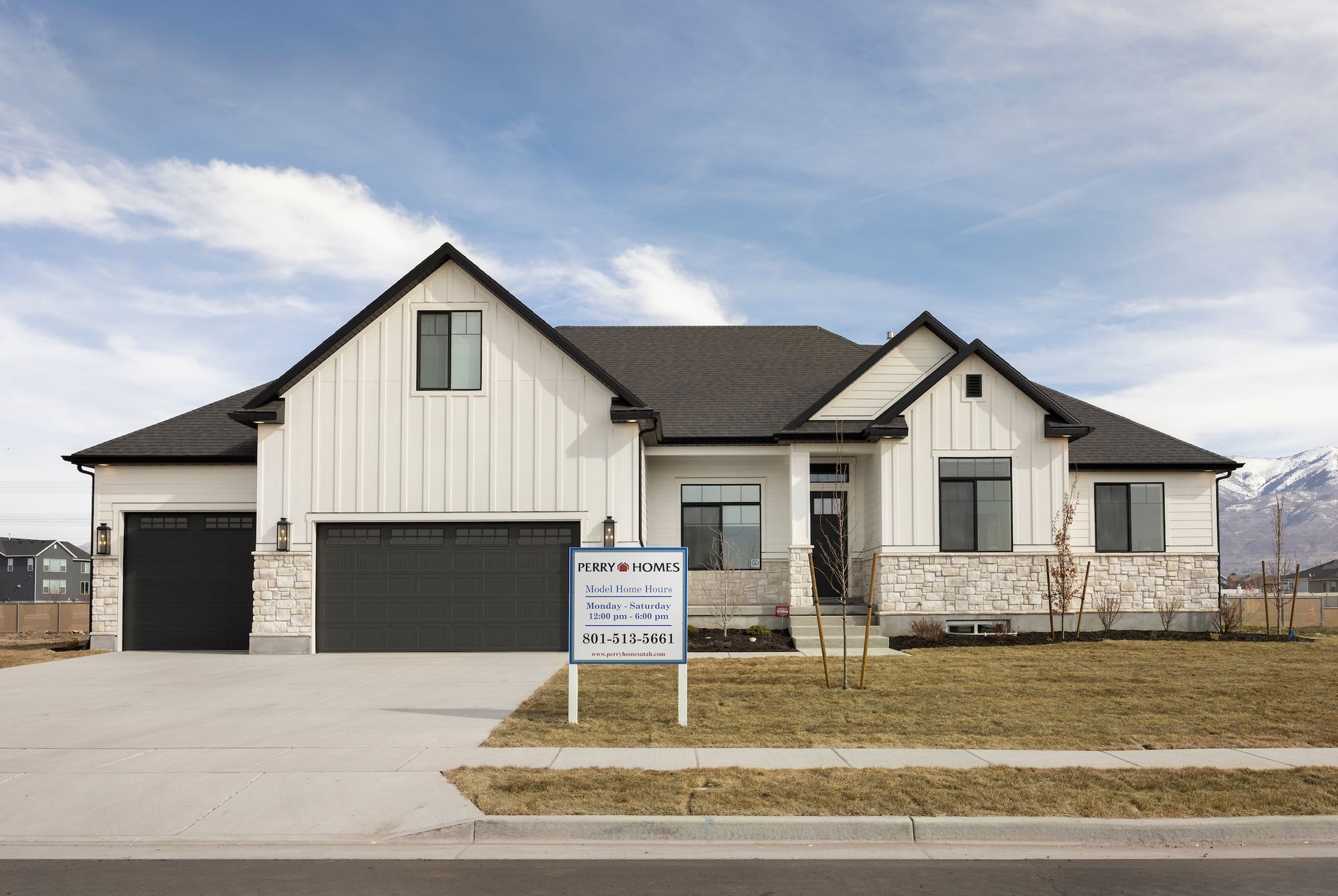
In the past couple of years, home supply in the US has become increasingly tight. As a result, many prospective buyers have shifted their sights towards new construction homes from local or national homebuilders.
These properties offer modern amenities, customizable features, and the allure of being the first occupant. However, navigating the process can be overwhelming for some. This new construction buying guide will help prospective buyers understand the intricacies of new construction and make well-informed decisions.
Guide to Buying a New Construction Home
Unlike existing (pre-owned) homes, new construction offers a fresh slate and that new home smell! However, the buying process differs from that of an existing home. While there’s less concern about home inspections for wear and tear, buyers must be diligent about understanding what they’re getting, including warranties, finishes, HOA covenants, amenities and any potential upgrades.
Types of New Construction Homes
Broadly, there are three types of new construction homes:
- Spec Homes (or Inventory Homes): These are homes that builders construct without a specific buyer in mind. The benefit here is quick move-in times since they’re either complete or nearly complete. However, buyers have limited customization options.
- Tract Homes: Built in large phases, these are part of planned communities with a range of pre-selected floor plans. They tend to be more affordable than custom homes, but there’s limited scope for uniqueness.
- Custom Homes: As the name suggests, these are tailored to the buyer’s specifications. While they’re the most personalized, they’re also the most time-consuming and often, the priciest.
General contractors specializing in custom homes bring extensive experience, facilitating the alignment of your design preferences with top-tier materials, layouts, and finishes available in the market. Their collaborative approach involves working closely with architects, designers, and subcontractors throughout construction.
From the first concept to the final touches, these professionals efficiently manage tasks such as obtaining permits, coordinating with suppliers, and overseeing the construction timeline. With established relationships with trusted suppliers and subcontractors, they can source the best materials and skilled craftsmen, leading to potential cost savings and ensuring the use of high-quality resources.
How Much Earnest Money Do You Need For New Construction?
Most builders require a “builder’s deposit” of 2-10%. This serves as your earnest money and is typically paid at the time of signing. Each builder has slightly different requirements.
Many large home builders only require a small deposit of 2%, while a custom builder may require a bigger deposit.
How Long Does it Take to Move Into a New Build?
Many of the top builders offer “quick move-in” homes that you can move into in about 30 days from contract signing. These home are typically already completely finished or nearly done with construction.
The average time it takes to move into a new construction home is about 5-6 months. Larger, custom homes take closer to 8 months.
Should You Use the Builder’s Mortgage Company?
Often, builders have a preferred mortgage company or an in-house lender, and they may offer incentives to encourage buyers who finance through them. This can include discounts or assistance with closing costs. On the surface, builder incentives can be tempting, but it’s crucial to compare:
- Interest Rates: Even a slightly lower interest rate from an outside lender can save you thousands over the life of the loan.
- Closing Costs: Are there any hidden fees? How do the costs of the builder’s lender compare to what’s available in the wider market?
- Customer Service: Do your homework. A company’s reputation for service, particularly during the underwriting process, can affect your buying timeline.
Remember, while builder incentives are appealing, the lifetime cost of your mortgage should be a significant factor in your decision.
Do You Need a Buyer’s Agent for New Construction?
Using a buyer’s agent is one of our tips when purchasing a new construction home can be invaluable. Here’s why:
- Representation: The builder’s sales agent represents the builder’s best interests. Having your own agent ensures someone is looking out for you.
- Negotiation: Experienced agents can help negotiate extras, upgrades, and potentially, better pricing.
- Expertise: From understanding local market trends to providing insight into the reputation of builders, a buyer’s agent brings a wealth of knowledge.
- Cost: Typically, the builder pays the buyer’s agent’s commission, meaning you get representation at no direct cost to you.
Negotiating Price on New Build Home
Contrary to popular belief, you do have the ability to negotiate when buying a new construction home. Here are some tactics:
- Research Comparable Sales: Just like with existing homes, understanding what similar properties in the area have sold for can be a good bargaining chip.
- Ask for Upgrades: If the builder is resistant to changing the base price, they might be more flexible with upgrades. Whether it’s premium flooring, appliances, or an extended warranty, don’t hesitate to ask.
- End-of-Fiscal-Year Buy: Builders, especially large-scale ones, often have sales targets. Purchasing near the end of a fiscal quarter or year might make them more amenable to discounts.
- Closing Cost Contribution: A builder or seller concession can be offered by a home seller or a home builder as a way of decreasing the buyer’s out-of-pocket closing costs.
The Pros And Cons Of Buying New Construction
A new construction home can be a fantastic investment because you generally won’t have to perform substantial upgrades or repairs for the first several years. As building costs rise and resale values increase, new construction is a relatively safe investment option.
Pros Of New Construction Homes
- New homes typically require much less maintenance.
- Many new homes have better floor plans than older properties.
- Most builders use newer building techniques, making your home more energy-efficient.
- You often get to select the lot or parcel where the home will be built.
- Most new construction homes come with a builder’s warranty.
Cons Of New Construction Homes
- Building your home can take several months and cost more than buying an existing home.
- If you buy a tract home, the properties in the community may all look very similar.
- Some builders are not easy to deal with.
- The community could take a long time to develop and you may be dealing with construction in the neighborhood for a couple of years.
New Construction Frequently Asked Questions
Do I need title insurance for new construction?
Title insurance is not required for new construction. However, it can be beneficial and offer peace of mind to a new buyer.
Can you get an FHA loan on new construction?
Yes, you can use an FHA loan when purchasing a new construction home.
When do you pay for a new construction home?
Costs paid up front include the earnest money deposit, optional inspection fees and the appraisal. You will not begin making mortgage payments until after closing and after construction is complete.