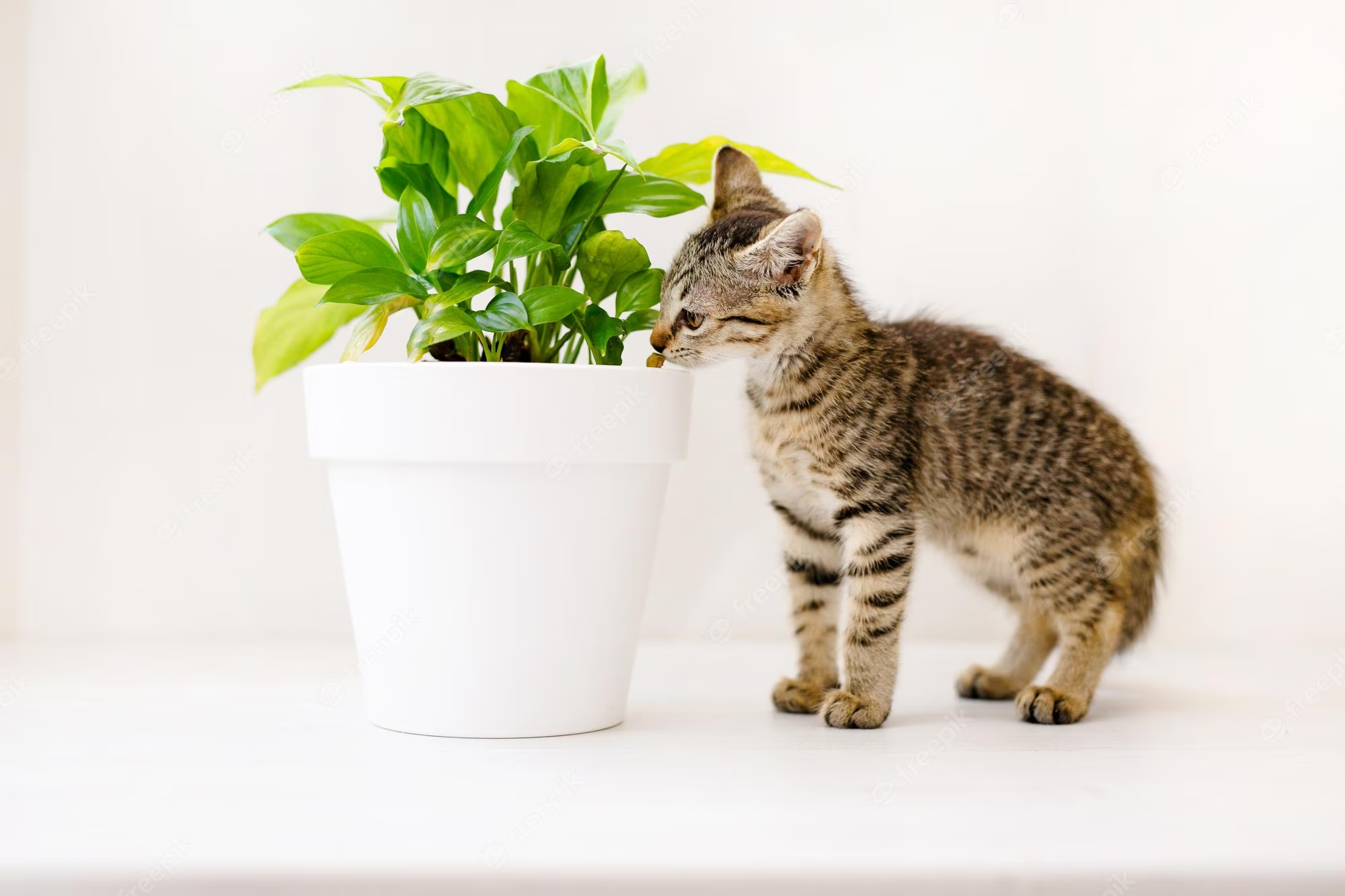
With the rise of the indoor plant trend, more and more plant enthusiasts are creating their lush green oases within their homes. However, if you’re a cat parent, it’s important to consider the potential risks some houseplants pose to your furry friends. Not all plants are cat-friendly, and some can be toxic if ingested by our feline companions.
In this article, we’ll explore some beautiful and cat-safe plants that can be a great addition to your indoor garden, without posing any risks to your cats.
Choosing the Right Houseplants
For any houseplant to be cat-safe, it must neither be toxic nor cause harm to cats even if accidentally consumed or touched. Some common houseplants, such as lilies, azaleas, and English Ivy, can be harmful to cats. Therefore, it’s essential to do your research before bringing a new plant into your cat-friendly home.
Safe Indoor Plant Options
Firstly, let’s look at some popular cat-safe houseplants.
1. Spider Plant (Chlorophytum comosum)
Spider plants are known for their ability to purify the air and their high adaptability to varying indoor conditions. Their cascading foliage is non-toxic to cats and they’re easy to care for, making them a perfect option for any indoor garden.
2. Boston Fern (Nephrolepis exaltata)
Boston ferns are another great choice. They thrive in humidity, so they’re ideal for bathrooms or kitchens. Ferns are safe for cats and add a touch of elegance to any room with their delicate fronds.
3. Areca Palm (Dypsis lutescens)
Also known as the butterfly palm, the Areca palm is a pet-friendly plant that provides a tropical vibe to your home. It’s an excellent air purifier and loves bright, indirect light.
4. Parlor Palm (Chamaedorea elegans)
Parlor palms are small, slow-growing palms that do well in low light conditions. They’re entirely safe for cats and can be a beautiful addition to your pet-friendly indoor garden.
5. Barberton Daisy (Gerbera jamesonii)
Not only is the Barberton Daisy cat-friendly, but it’s also known for its colorful flowers that add vibrancy to any room.
An Alternative: Cat Grass
While these are great choices, if you want to provide your cat with its own greenery to enjoy, consider cat grass. Cat grass is the common name for a variety of grasses, including oat grass, wheatgrass, and ryegrass, which are completely safe for cats to ingest. It’s an excellent alternative to houseplants that might be potentially harmful.
Choosing Safe Plants for Your Outdoor Garden
Going beyond houseplants, creating an outdoor garden that’s safe for cats is equally important. When selecting plants for your outdoor space, make sure to include cat-friendly options like catnip, catmint, and lemongrass. These plants not only add beauty to your garden but can also provide a stimulating environment for your cat.
1. Catnip (Nepeta cataria)
Catnip is well known for its effects on cats, and most absolutely love it. This perennial herb is easy to grow and can provide hours of entertainment for your feline friend.
2. Catmint (Nepeta mussinii)
Catmint, while not as intoxicating as catnip to cats, is another safe outdoor plant. It has beautiful purple flowers and is highly resilient, making it a great addition to any garden.
3. Lemongrass (Cymbopogon)
Lemongrass is safe for cats to nibble on and has a lovely citrus scent. However, remember that it’s best in outdoor gardens, as it can grow quite large.
Maintaining a Pet-Friendly Indoor Garden
Besides choosing cat-safe plants, there are other considerations for keeping your indoor garden pet-friendly.
- Place plants in areas that are out of your cat’s reach if possible. Cats are curious creatures and might be tempted to nibble on leaves or knock over pots.
- Be mindful of the plant care products you use, such as fertilizers and pesticides. These can be harmful to cats if ingested. Opt for organic or pet-safe alternatives.
- Regularly check your plants for any pest infestations. Some pests might pose potential risks to your cat’s health.
Monitor Your Cat’s Behavior
Remember, when introducing new plants into your home, monitor your cat’s behavior. While the plants mentioned above are generally safe for cats, individual reactions can vary. If your cat shows any signs of illness, such as vomiting, diarrhea, or lack of appetite after interacting with a plant, contact your vet immediately.
Understanding Your Cat’s Nature
As a final note, it’s essential to consider your cat’s nature. Some cats may show no interest in plants, while others may be more curious or love to nibble on greenery. Observing your cat’s behavior can guide you in creating the perfect indoor or outdoor garden that caters to their nature while ensuring their safety.
Conclusion
House Plants, Air Plants, and Hanging Plants
Being a plant enthusiast and a responsible cat parent is not mutually exclusive. There are a plethora of beautiful houseplants that are completely safe for cats. For instance, the polka dot plant and the prayer plant, known for their vibrant foliage, can be a beautiful addition to your indoor garden. The American rubber plant, the cast iron plant, and the bamboo palm are also excellent choices for cat-safe houseplants. They all require indirect sunlight and prefer their soil moist, making them easy to care for. A plant stand can be an excellent way to display these plants while keeping them out of your cat’s reach.
The rattlesnake plant, the friendship plant, and the Chinese money plant are other cat-safe houseplants worth considering. The rattlesnake plant is known for its dark green-striped leaves and thrives in bright, indirect light. The friendship plant, with its textured leaves, prefers bright light, while the Chinese money plant requires less light. These plants, like many houseplants, enjoy natural light and should be kept away from direct sunlight to prevent leaf burn.
Finally, the Indian rubber plant, the neon prayer plant, and the money tree are also safe for cats. The Indian rubber plant is an air plant that thrives in indirect light, while the neon prayer plant enjoys well-lit areas but not direct sunlight. The money tree, with its unique braided trunk, prefers bright, indirect light and does well in hanging plant arrangements. All these houseplants, along with the ones mentioned above, offer an opportunity to create a pet-safe, aesthetically pleasing indoor oasis, proving that the selection of non-toxic plants is not limited. Be sure to keep these plants away from direct light and ensure the soil is kept moist for optimum growth.