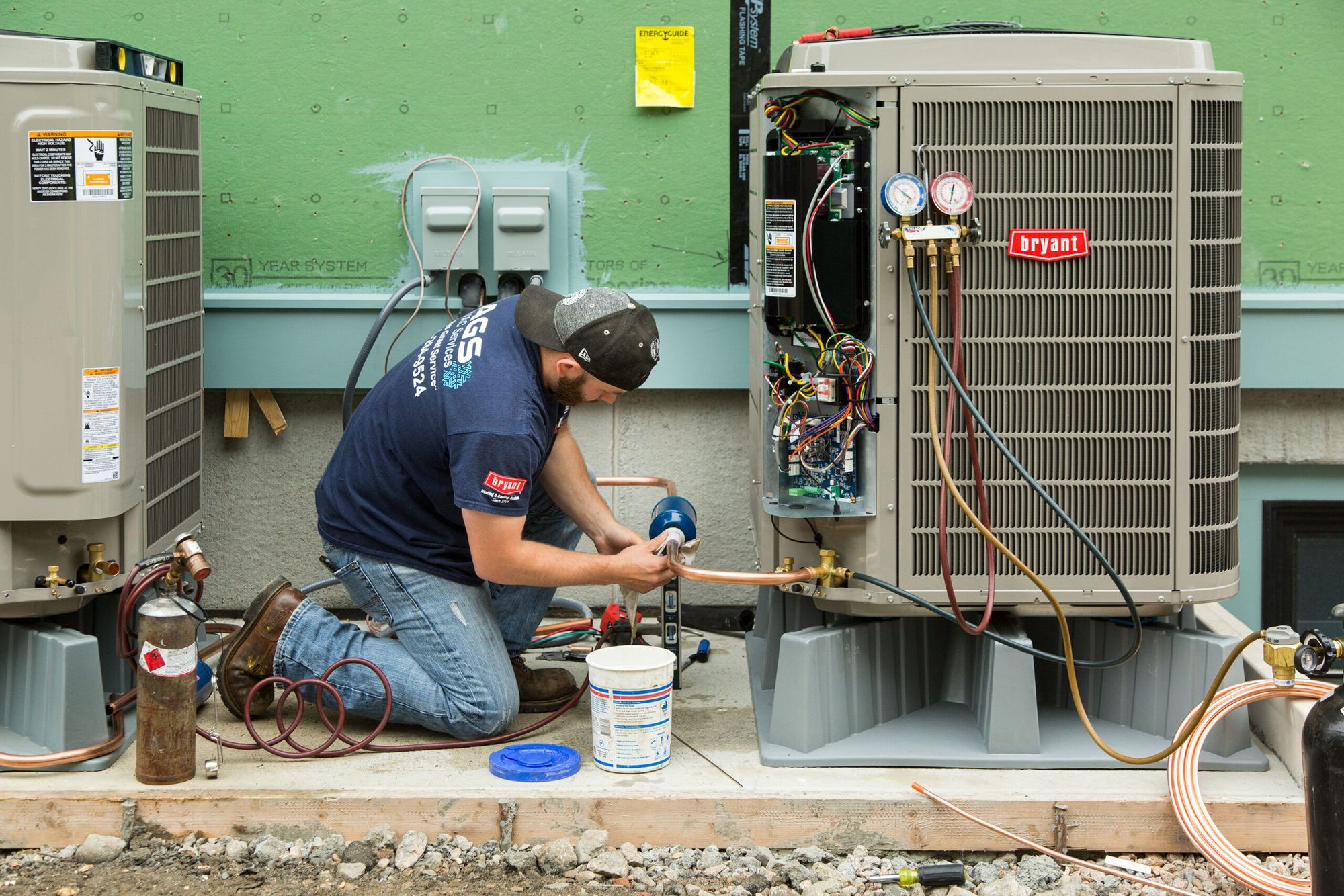
The AC consists of many components, so a lot of different things can go wrong. If the problem is not detected and fixed on time, it can lead to even more significant and expensive issues. In some cases, you will need professional assistance from an air conditioning repair company. Here is how you can diagnose AC problems and a few tips on how to fix the issues.
Check Air Filter
The air filter is a vital component of the HVAC system as it removes allergens, debris, bacteria, and other contaminants from circulating in the air. Unfortunately, a common problem in air conditioners is that the air filter gets clogged over time. When the air filter fails to remove harmful contaminants from entering the system, it puts extra stress on other components.
There are many indicators of a dirty or clogged air filter. For example, if the filter has visible debris or dust when you remove it, you should replace it. If you continue using the same filter, it could lead to costly repairs. Other signs of a clogged air filter include inadequate cooling, lack of airflow, or frequent tripping of the circuit breakers.
Typically, air filters should be replaced every one to three months. To change an air filter, you should ensure the AC system is turned off before you proceed. If you change a filter with the AC system running, it will let contaminants reach other components in the system and damage them.
Check Thermostat Settings
The role of the thermostat is to monitor the indoor temperature and adjust the cooling or heating accordingly. A broken thermostat prevents the system from functioning properly.
Restarting the thermostat might fix the issue. There could also be a problem with the power supply of the thermostat. Some thermostats receive power from the building while others run on batteries. If you have a thermostat that runs on batteries, changing the batteries may fix the issue.
Check Circuit Breakers
If your HVAC system is performing at a reduced capacity, a faulty circuit breaker might be the reason. A tripped circuit breaker can give rise to many issues within the system. You should locate the fuse box and check the breakers. Typically, the furnace and the air conditioner have separate labeled breakers. If either system is not working properly, flip the breaker off and wait a few seconds before turning it back on.
Check Blower Motor
The blower motor in your AC system is responsible for circulating air through the ductwork. In most types of HVAC systems, the blower motor is located in the air handler. One common sign of a malfunctioning blower motor is the system’s inability to maintain the desired temperature around the house. Other signs of the blower motor malfunctioning include rattling noises, intermittent blowing, a spike in energy bills, and an odd or burning smell coming through the vents.
Sometimes the problem can be debris stuck in the blower motor, but in other cases, the problem may lie with the relay that sends signals to the blower to turn off or on. Fixing issues with the relay can be complex and should be done by a professional. Your AC might also need blower motor repair or replacement service.
Check Drainage
Some ACs units have drip traps or drain pans to hold drainage water. If the pan overflows, it can lead to problems such as corrosion, damage to the HVAC system’s electrical components, or mold.
Sometimes, the tray beneath the evaporator coils is knocked out of its proper placement, which causes it to overflow more quickly than usual. Fixing the tray’s alignment could prevent potential issues and damage to the AC’s components.
Contact an HVAC Technician
Although you can resolve some AC problems yourself, sometimes the issues can be more complicated and require professional assistance. If the problem appears more complex, contact an HVAC technician. For example, if you suspect that the problem lies within the air filter but replacing the dirty filter does not regulate the HVAC system’s performance, it is best to contact a technician who can inspect and fix the system.