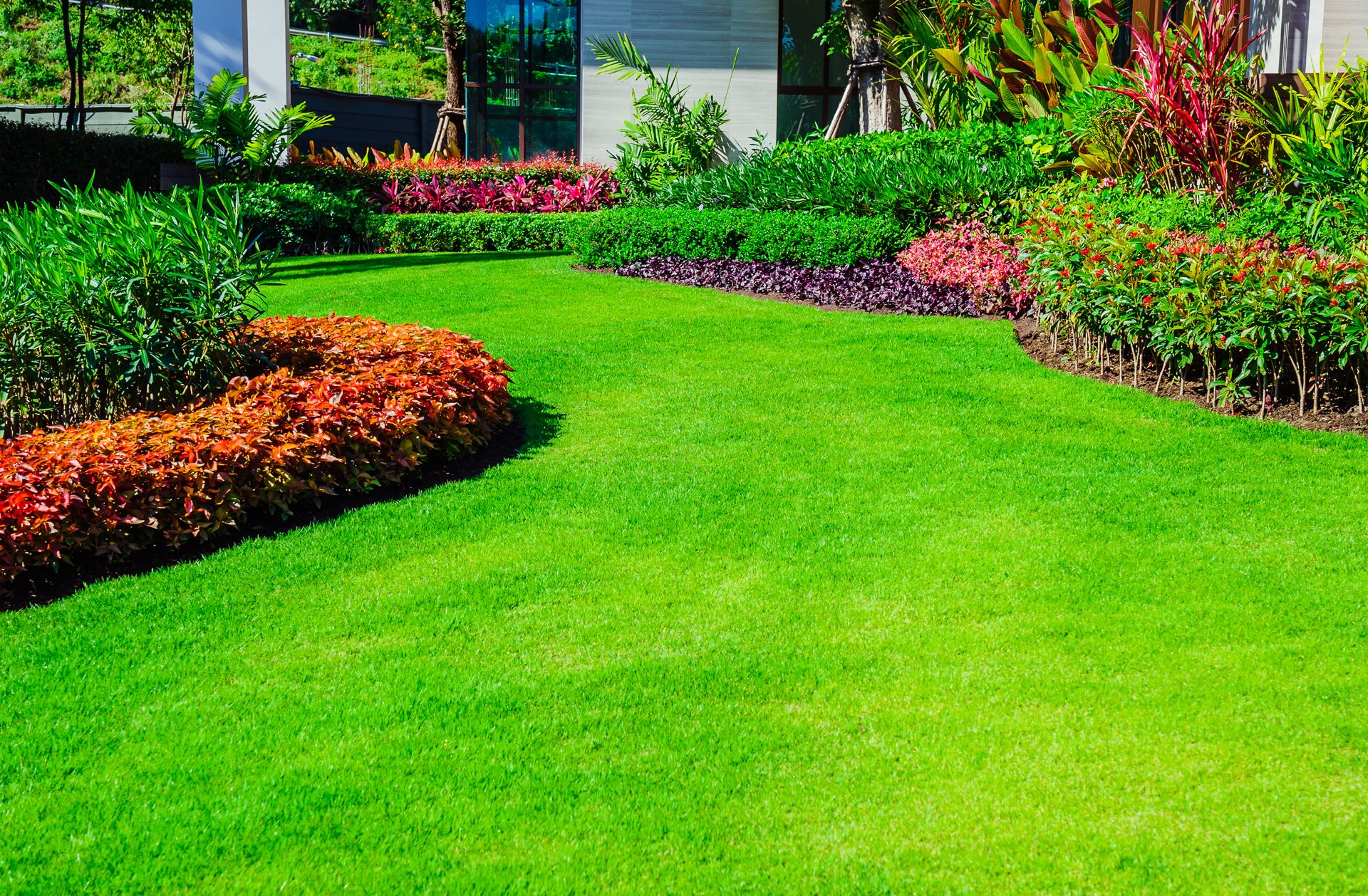
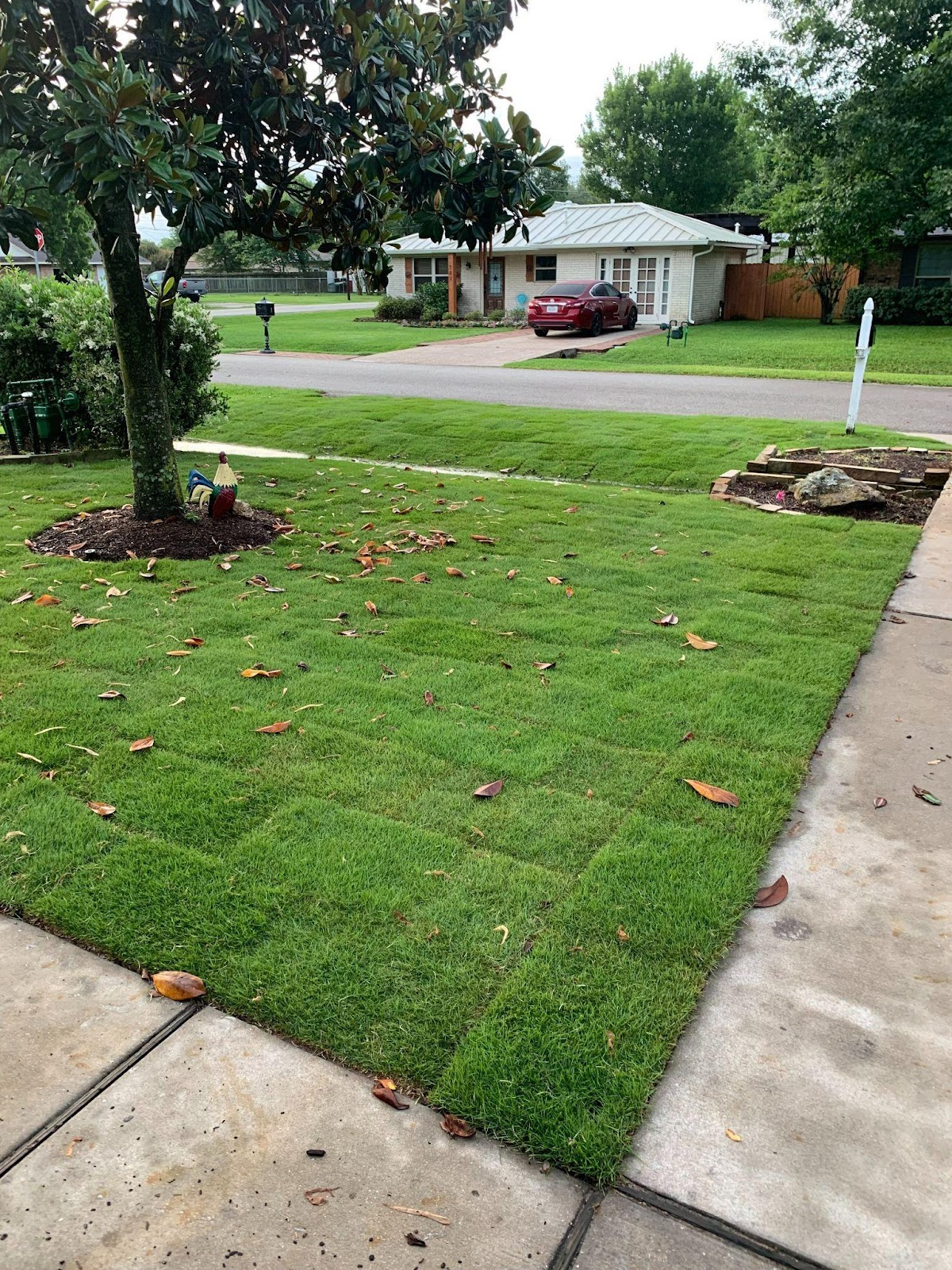
Anyone who’s cultivated plants in the southern United States knows the challenges of keeping things healthy and growing. Most parts of the south are known for being hot and dry, so you can’t just plant whatever you want outdoors and expect it to thrive. Some plants can survive these conditions by being grown in shady areas, or by getting watered more frequently. Lawn grass, on the other hand, needs to be able to handle itself against heat and drought.
Fortunately, varieties like Bermuda, St. Augustine, and Zoysia are known for their resistance to drought. What if you want your lawn to do more than just survive dry conditions, though? You can choose something like Zeon Zoysia, a type of Zoysia that’s known for its deep green color and resistance to insects. There are several different kinds to choose from; the ones that are most ideal for southern lawns will be discussed below.
Zeon Zoysia
This is considered to be a “premium” Zoysia, and for good reason. It has a vivid green hue, and a fine yet dense texture. It can grow well in the southern heat, but it can also tolerate colder temperatures. If you want your lawn to stay greener for longer, this is one good option; Zeon Zoysia turns brown later in the year, and then green earlier in the spring compared to other types of Zoysia. It also scores well for resistance to diseases and insects, and grows quickly. This particular type is a fine-bladed grass, which means a slower buildup of thatch. A lawn of Zeon Zoysia requires less maintenance overall, and is more likely to stay healthy without much interference.
Zeon Zoysia summary:
Can tolerate shade better than other types of Zoysia
Tolerates drought well
Dark green in color
Short, fine blades of grass
Takes more time to establish itself compared to Empire Zoysia
Is barefoot-friendly
Is insect-resistant
Has less buildup of thatch
Emerald Zoysia
Here’s another top-quality Zoysia variety. It has the characteristics you’d expect, such as drought resistance and a bright green hue. However, it’s a bit more shade tolerant than some Zoysia varieties; it actually comes close to the same shade tolerance as St. Augustine. Full shade won’t work for Emerald Zoysia, but it only needs around three to four hours of sun per day for healthy growth. Aside from its color, this grass is set apart by the fine texture of its blades.
Emerald Zoysia summary
Intense green color
Soft feel underfoot
Shade tolerant
Turns green quickly each spring
Drought tolerant
Palisades Zoysia
This variety of Zoysia is known for the rate at which it can grow and spread. It has a decent shade tolerance, and requires fairly little water – around 1.5 to 2 inches weekly. It prefers plenty of sunlight, and needs at least six hours of sunlight daily. Palisades Zoysia does well in high-traffic areas, thanks to its ability to rapidly recuperate from environmental stressors. As a high-density, coarse-textured turf that requires little maintenance, it’s easy to see why Palisades Zoysia is so popular.
Palisades Zoysia summary
Medium to dark green color
Dense foliage with medium-sized blades
Moderately shade tolerant
Recuperates quickly from drought, foot traffic, etc.
Drought tolerant
Cavalier Zoysia
Cavalier Zoysia is a fine-bladed variant, with great shade tolerance – it only needs around four to five hours of direct sunlight daily. It grows thickly, producing a dark-green lawn that’s very aesthetically pleasing; many people think it looks similar to Bermuda grass. It’s also very hardy, so it’s unlikely to be affected by drought or disease. This grass grows a bit more slowly than others, so you won’t have to mow it quite as often.
Cavalier Zoysia summary
Dark green color
Fine blades and dense growth
Shade tolerant
Drought tolerant
Low-maintenance due to slower growing time
What you need to know about growing Zoysia
Zoysia comes in many different varieties, all of which are known for their general hardiness and aesthetic appeal. It’s a warm-season grass, which makes it more suitable for southern states. Here are a few more details that are handy to know if you’re interested in Zoysia for your yard.
Where Zoysia likes to grow
Most types of Zoysia like hot temperatures. They can survive in hardiness zones 6 – 8, but they’ll grow very slowly and stay dormant for a large portion of the year. They do best in zones 9 – 11, growing more quickly (and needing more frequent mowing). As long as you live above a hardiness zone 6 (which encompasses the southern states), and have plenty of sunlight in your yard, Zoysia should be the right grass for you.
How much water Zoysia needs
The type of grass you grow in your lawn can have a big impact on your water bill, which is why so many people love Zoysia. It needs about an inch of water each week to thrive, and can generally flourish under all but the harshest watering restrictions.
How much sunlight Zoysia needs
There are a few varieties that can survive partial shade, but all of them prefer being in full sunlight. This helps the grass grow thick and tall; shaded areas are likely to contain thinned-out grass that doesn’t grow as quickly. Properties with a lot of trees or privacy fences may not be ideal for Zoysia.
How much fertilizer Zoysia needs
In general, most Zoysia varieties will grow just fine as long as you leave the grass clippings to compost back into the soil. However, some of them will give you better results with the help of nitrogen fertilizer. If you have one of these varieties, you’ll probably end up needing between two and four pounds of fertilizer for every 1,000 square feet of grass.
The takeaway
The grasses in southern lawns need certain characteristics if they’re going to thrive, and several Zoysia varieties have these characteristics in abundance. From drought and pest resistance, to the ability to grow a thick, gorgeous carpet of grass, there’s a lot to appreciate about these types of Zoysia.