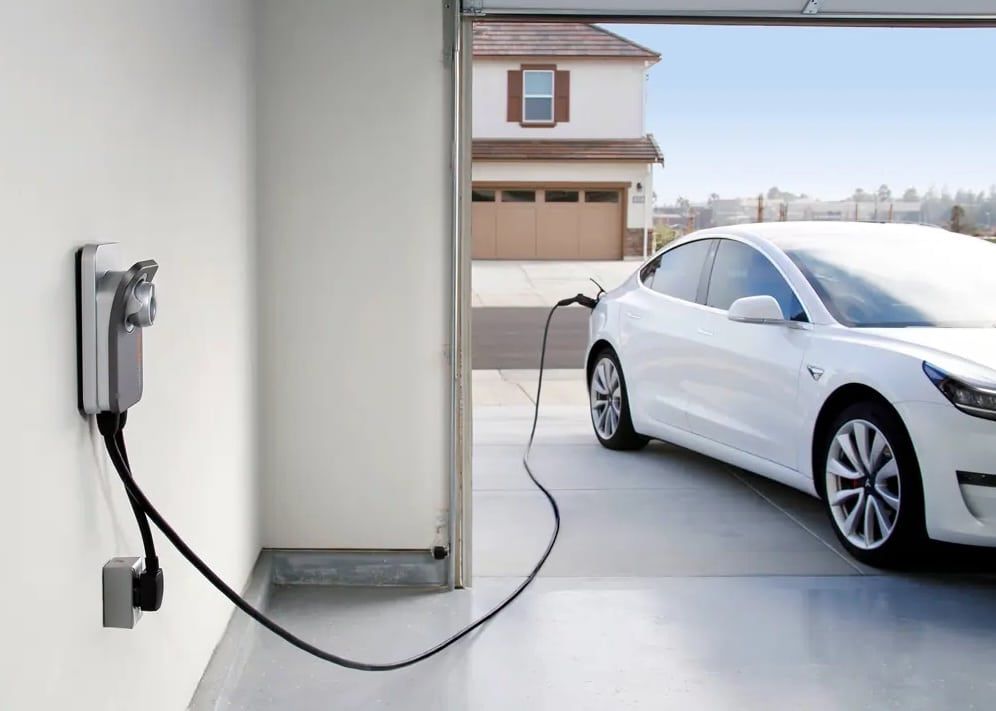
Owning an electric vehicle (EV) is an exciting and responsible choice. It’s a great way to reduce your carbon footprint while enjoying a smooth and quiet driving experience. One of the biggest advantages of owning an EV is the ability to recharge on your own schedule. This means you don’t have to worry about finding a public charging station, waiting for your turn to charge, or moving your car when it’s done charging.
How to Choose the Best Home EV Charger for Your Electric Vehicle
If you’re looking for a better way to charge your EV, a Level 2 home EV charger is the way to go. In this blog, we will discuss the benefits of owning a personal charger and how to choose the best one for your electric vehicle.
Why You Need a Level 2 Charger
Most EVs come with a cable that allows you to plug into a standard household outlet for what’s known as Level 1 charging. This method is convenient but inefficient. It’s a slow process that adds only 3-5 miles of range for every hour of charge. A Level 2 charger, on the other hand, requires a 240V circuit and can add 30-60 miles of range for every hour of charging, depending on your car’s capabilities and the charger’s output current. This means you can charge your car overnight and wake up to a fully charged vehicle.
The Benefits of a Personal Charger
Having a Level 2 home EV charger provides you with several benefits, including:
- Faster Charging: A Level 2 charger is up to 7 times faster than Level 1 charging, which means less time waiting for your car to charge.
- Convenience: Charging your EV at home is a convenient and hassle-free experience. You don’t have to worry about finding a public charging station or moving your car when it’s done charging.
How to Choose the Best Home EV Charger
There are many home EV chargers on the market, and choosing the right one can be overwhelming. Here are a few things to consider before making a purchase:
- Compatibility: The most important feature to look for in a Level 2 charger is compatibility with the charging capabilities of your vehicle. Make sure to check the plug at the end of the charging cable and the amount of power your EV is capable of accepting.
- Amperage: The amperage rating of a charger determines how fast it can charge your vehicle. A higher amperage rating means faster charging, but it also means a more expensive charger.
- Cable Length: Consider the distance between your EV and the charging location. Make sure to choose a charger with a cable long enough to reach your vehicle comfortably.
- Smart Features: Many home EV chargers come with smart features that allow you to control and monitor your charging sessions remotely. These features can include scheduling, notifications, and Alexa or Google Assistant compatibility.
Top 3 Home EV Chargers
Here are our top picks for home EV chargers:
- Juicebox 40: This is the best sleek home EV charger, with a 40-amp rating and a 25-foot cable. It can plug into any standard 240V circuit or can be hardwired. It comes with a mobile app that supports smart charging based on the lowest rates for your utility.
- ChargePoint Home Flex EV Charger: This is the best home EV charger overall, with a 50-amp rating and a 23-foot cable. It’s compatible with most EVs and comes with an easy-to-use app that lets you set schedules to charge when rates are cheapest.
- Grizzl-E Classic: This is the best budget home EV charger, with a 40-amp rating and a 24-foot cable. It’s an inexpensive option that’s easy to install and use, but it does not come with any special features.
All of the chargers we’ve selected are suitable for installation in a home that has a 240V circuit available, and each one includes a J1772 connector that’s compatible with all current EVs (Tesla models use an adapter). With a Level 2 home EV charger, you’ll enjoy faster, more convenient, and cost-effective charging for your electric vehicle. Learn more about how to install an EV charger at your home or office.
What are the tax breaks for EV chargers?
You can claim a Federal tax credit of up to 30% of the charger’s cost, subject to a maximum credit of $1,000. Plus, your state and your local power company might offer additional credits.